Views: 306 Author: Publish Time:2026-08-27 10:20:00 Origin: Fun Pet
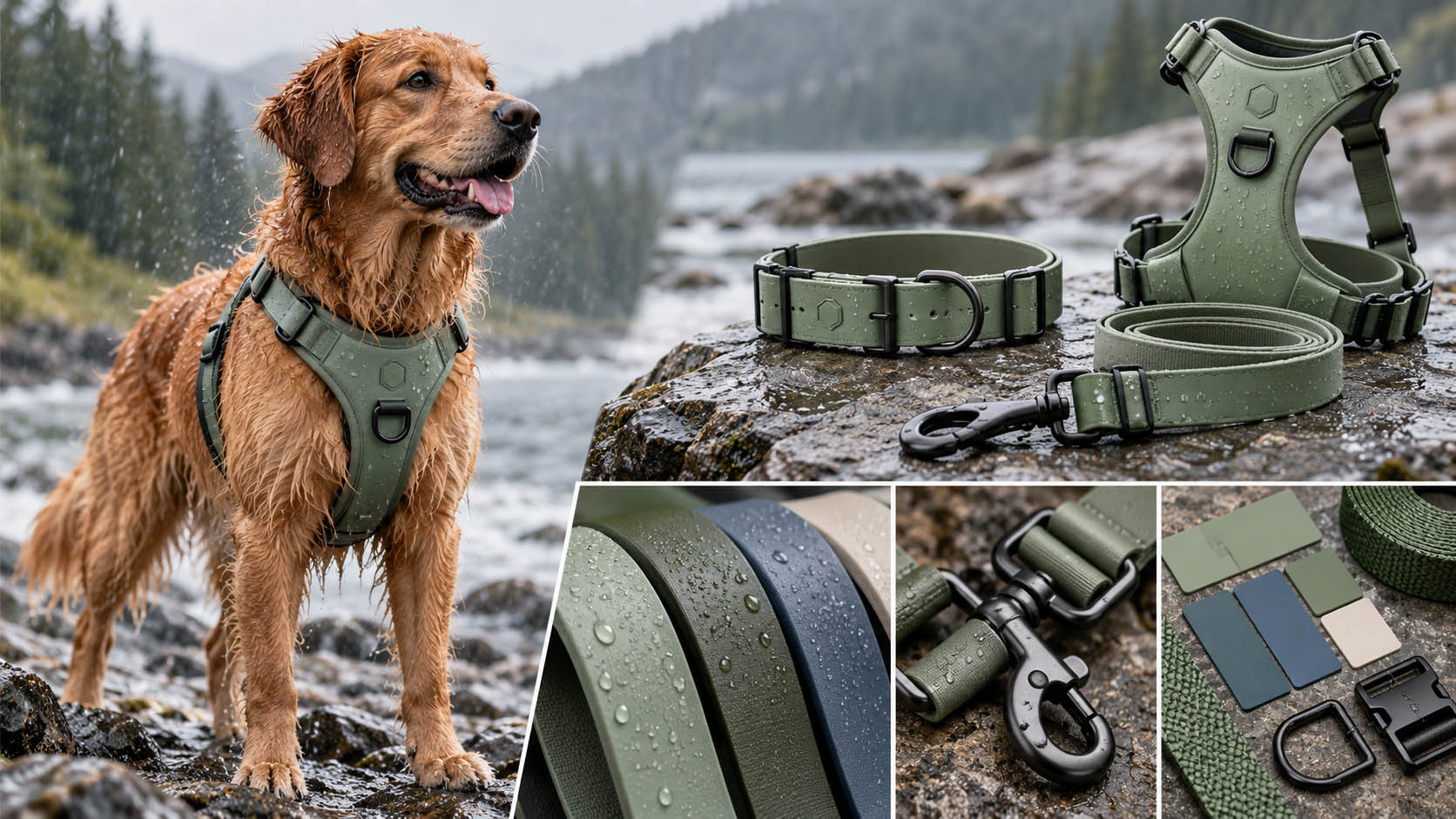
A matching walking collection gives a pet brand a stronger retail story than separate products sourced with different colors and hardware. A capable custom dog walking sets manufacturer must control harness fit, leash construction, collar sizing, shared materials, component finishes and packaging within one project specification.
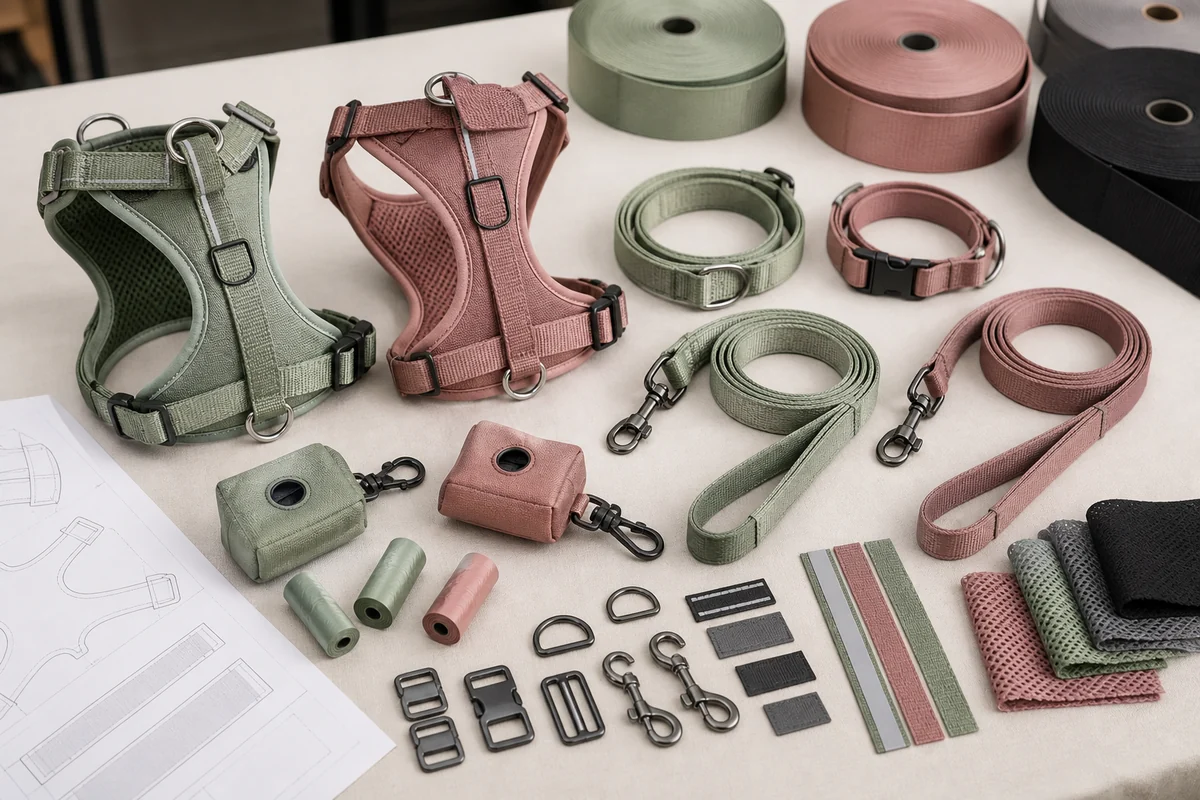
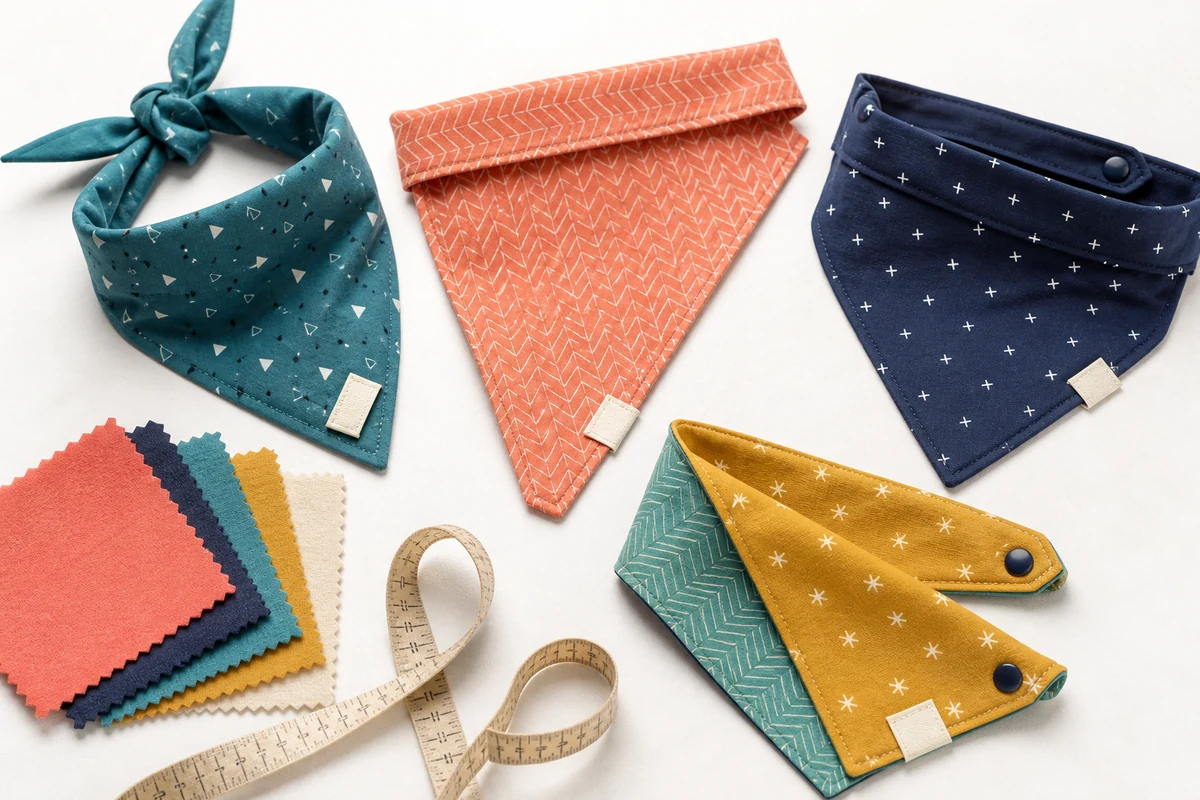
Decide whether the set includes a harness and leash, collar and leash, a three-piece walking set or an extended collection with a poop bag holder, bandana or bow tie. Begin with the products that serve the main use case and sales channel. The matching dog walking sets category provides useful base combinations.
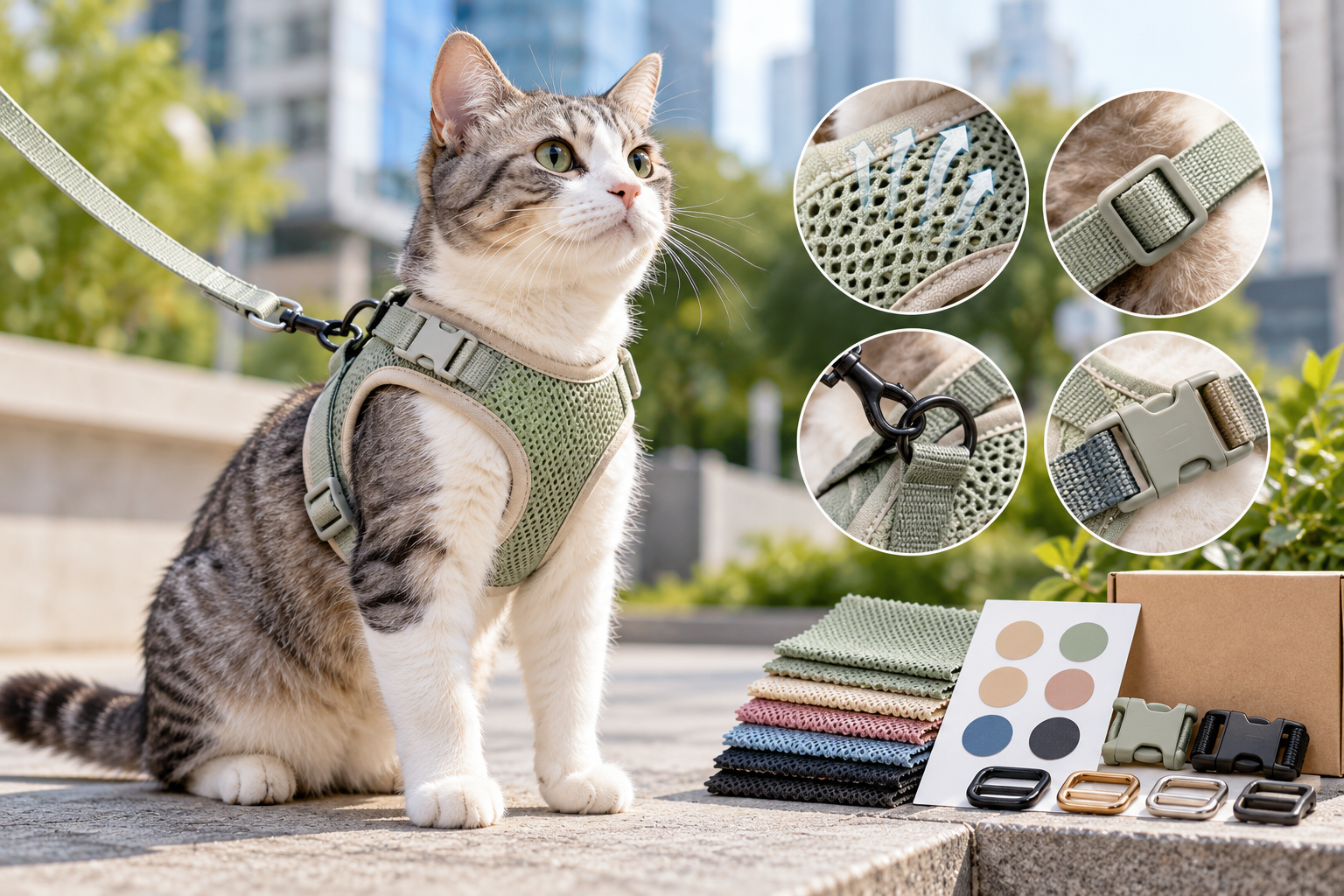
Define one color system, print scale, hardware finish, thread direction, label construction and packaging style. The same artwork may need different repeats or placements on a narrow collar, wide harness panel and leash. Approve actual-size layouts for each component instead of applying one file automatically.
Shared webbing and labels can improve consistency, but every item still needs its own bill of materials. Record the supplier code, width, thickness and finish for all repeated components.
Harness and collar sizes should use clear measurement points and a defined overlap rule. The leash is usually selected by use case and dog size rather than the same S-M-L label. Build a set matrix showing which harness, collar, webbing width and hook size belong together.
| Product | Key size controls | Compatibility check |
|---|---|---|
| Harness | Neck, chest, panel and adjustment range | Fit, ring location and hardware weight |
| Collar | Neck range, width and overlap | Width and finish match the set |
| Leash | Length, width, handle and hook | Hook suits the matching harness or collar ring |
| Bag holder | Roll size, opening and attachment | Clip fits the leash ring without crowding the handle |
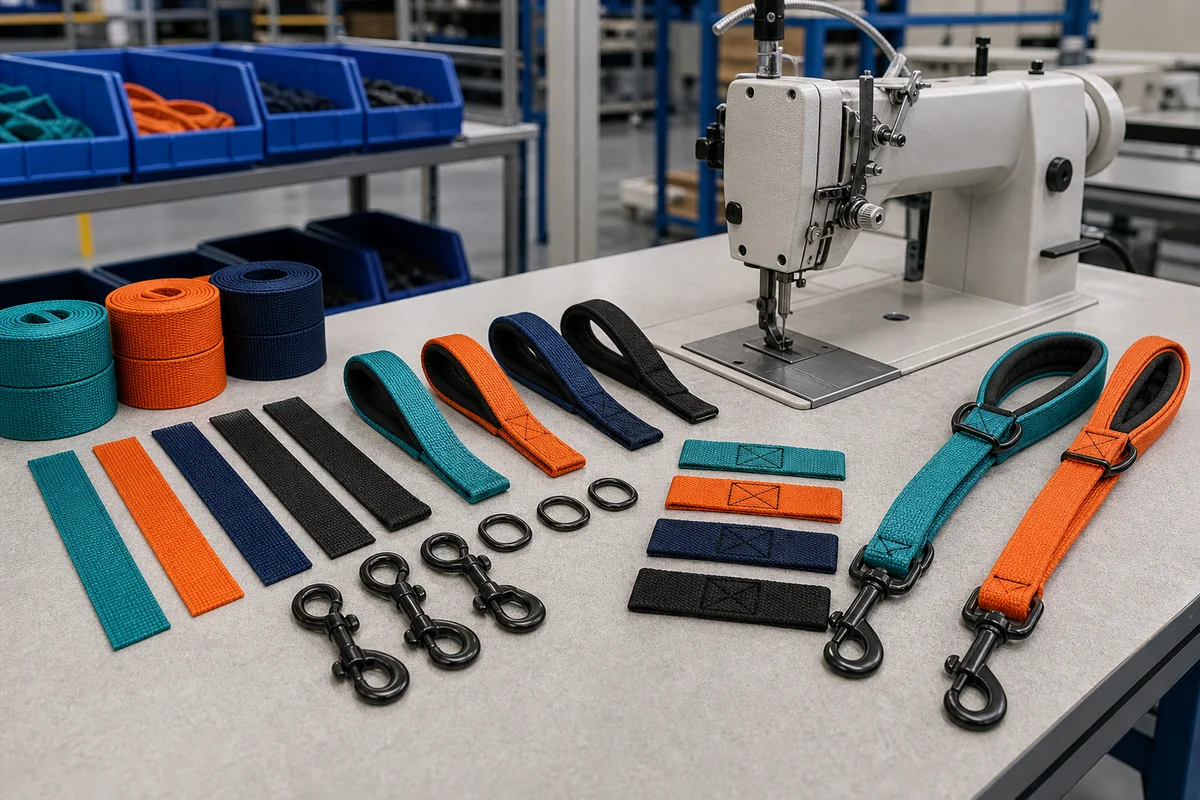
Review the custom dog harness structure for fit, padding, buckle position and ring reinforcement. Review the OEM dog leash for length, handle comfort, hook operation and stitching. Matching appearance must not override product-specific performance or comfort.
Use woven labels, rubber patches, printed webbing, embroidery or marked hardware where each method is suitable. Provide vector files, Pantone references, size and placement for every item. A shared hang tag or box can present the range, while separate SKU labels must identify product, size and color correctly.
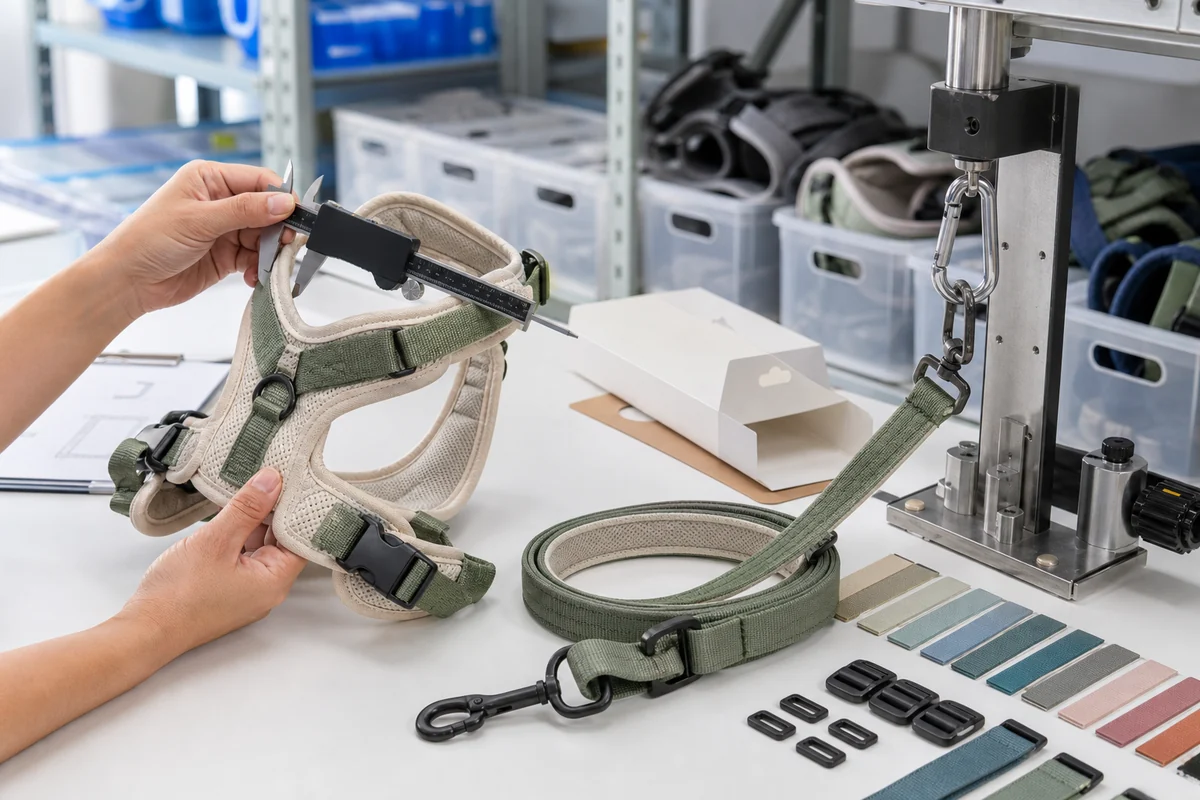
First approve construction and fit in one color. Then confirm print, logo and finish. Finally review a complete pre-production set with packaging. This sequence separates structural changes from cosmetic changes and reduces duplicated sampling.
Keep an approved size set where practical. Confirm buckle operation, strap slippage, seam quality, ring security, hook movement, color consistency and set completeness. Any agreed load testing should use the assembled product and a documented method.
Prepare a matrix by product, size, color and SKU. MOQ can apply to the shared material, print, product or packaging component, so ask where each minimum is measured. Reserve extra packaging and labels where this supports reorders, but avoid ordering regulated markings before the final specification is approved.
Request a custom walking set quote with the full matrix. One coordinated brief gives Fun Pet the basis to align samples, production and packing across the collection.