Views: 307 Author: Publish Time:2026-08-21 10:20:00 Origin: Fun Pet
A dependable leash is an assembled system: webbing or rope, handle, hook, rings, adjusters, stitching, reinforcement, logo, and packaging. In OEM pet leash manufacturing, every component must suit the intended use and work with the others. Buyers obtain more useful quotations when they define the finished leash instead of asking only for a length and logo.
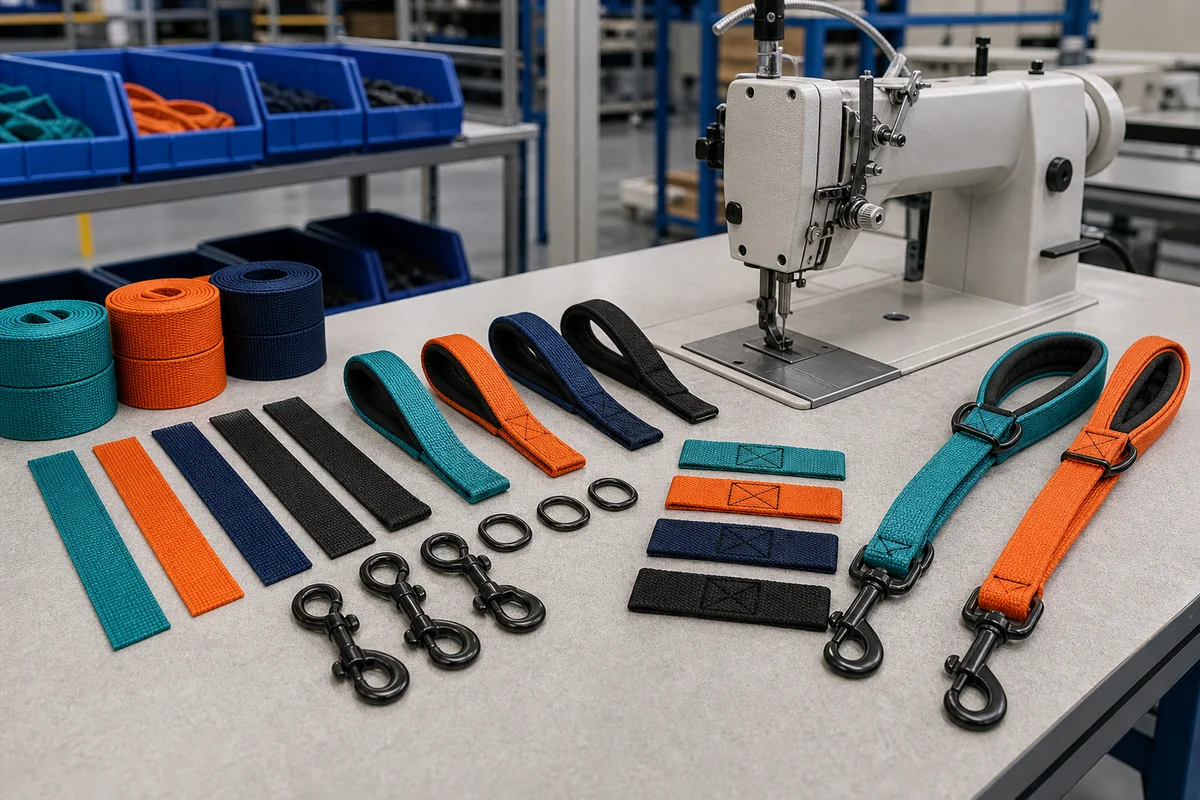
Define whether the product is a standard walking leash, traffic lead, double-handle training leash, long line, hands-free leash, adjustable multifunction leash, double-dog leash, or part of a matching set. State finished length, width, target dog range, environment, handle style, attachment points, and desired product weight.
Browse the custom dog leash category to identify a base construction. A reference product can communicate shape and handling, but the bulk order still needs measurable component details.
| Construction | Typical benefit | Points to confirm |
|---|---|---|
| Polyester webbing | Print flexibility and broad color options | Width, thickness, weave, print method, edge feel, and colorfastness |
| Nylon webbing | Smooth hand feel and durable everyday use | Weave density, stretch, moisture behavior, dye consistency, and abrasion |
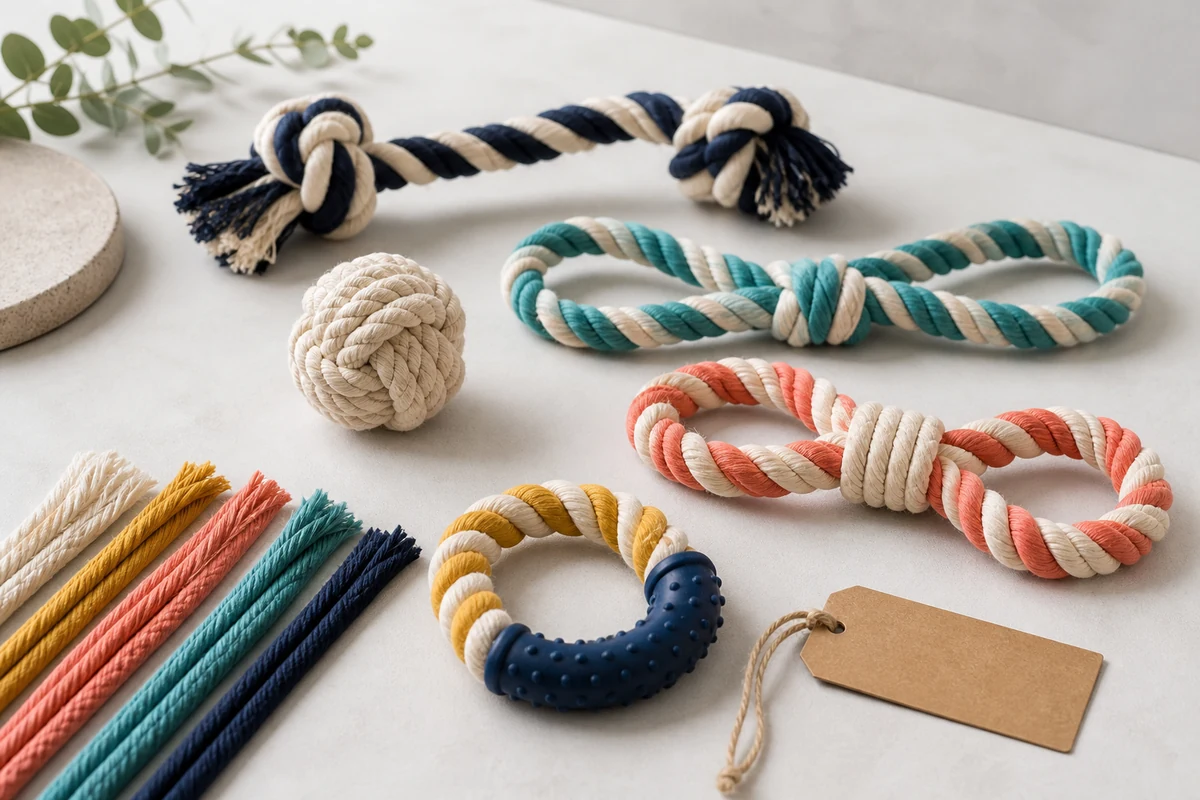
| Rope | Distinct texture and outdoor positioning | Diameter, fiber, braid, end termination, cover consistency, and hand feel |
| Coated webbing | Easy cleaning and weather-focused appearance | Flexibility, coating adhesion, odor, scratch resistance, and cold behavior |
Specify finished dimensions rather than relying on material labels. Two webbings described as polyester can differ significantly in thickness, stiffness, edge finish, and print result.
A basic loop handle is efficient and familiar. Neoprene or soft padding can improve comfort but adds layers, drying time, and sewing operations. A traffic handle near the hook provides close control, while hands-free formats require additional rings, adjusters, and clear user configuration.
Check handle opening, seam placement, padding alignment, and edge smoothness. If the leash will be used with gloves or for running, include those conditions in sample evaluation.
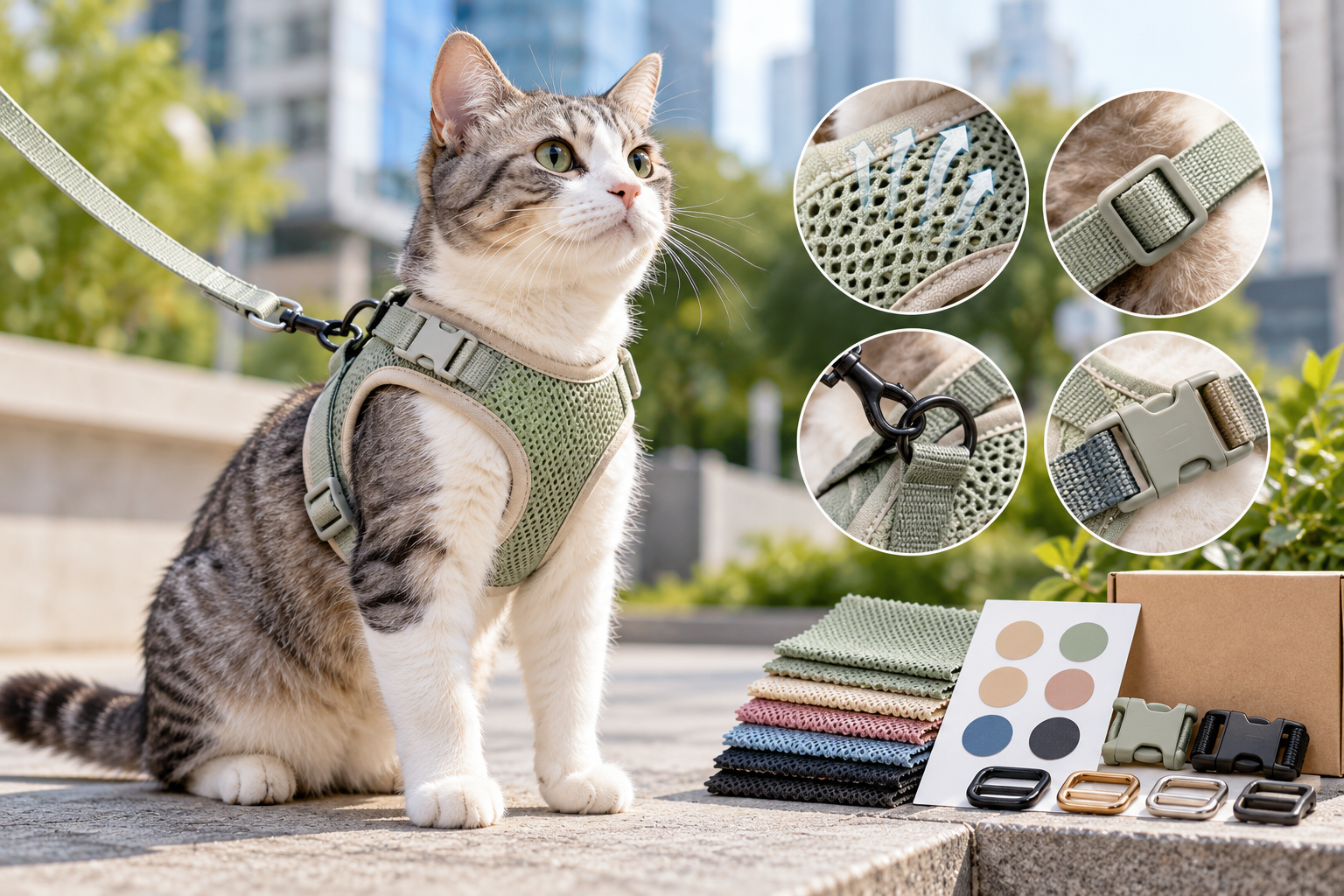
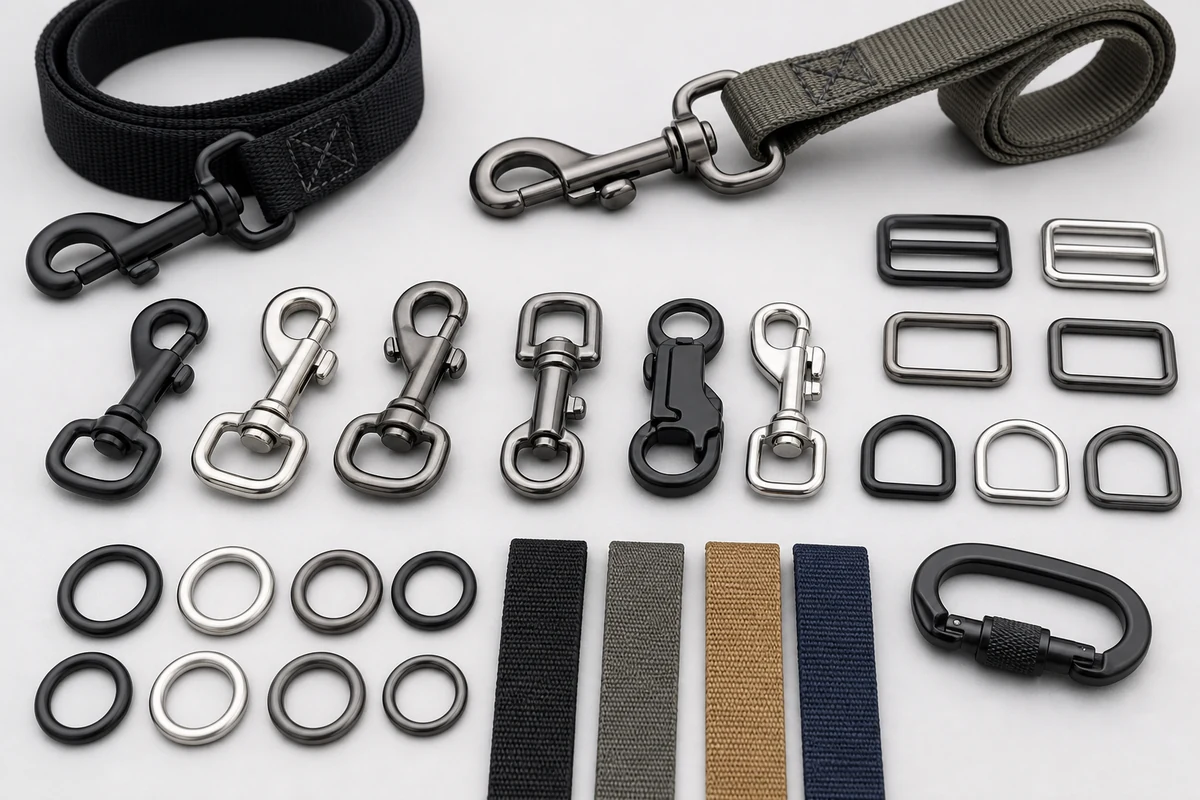
Hook type affects weight, operation, visual position, and cost. Confirm material, body size, gate opening, swivel movement, finish, and intended attachment. For a detailed comparison, read the OEM leash hardware guide.
D-rings and O-rings may support waste-bag holders, hands-free adjustment, shortening, or secondary handles. Define placement and purpose for every ring. Mixed finishes, undersized rings, or excessive hardware can make the product less coherent and heavier than expected.
The webbing overlap, fold direction, stitch pattern, thread, and number of layers all influence the assembly. Common reinforcement includes box stitching with diagonals or bar tacks, but the approved method should match the material and equipment. Record the dimensions and appearance of reinforcement rather than using only the word "strong."
Inspect stitching near hooks, handles, and rings for skipped stitches, loose tension, damaged webbing, sharp thread ends, and inconsistent placement. Decorative stitching should not obscure structural inspection.
Logo options include full-webbing print, woven labels, embroidery, rubber patches, heat transfer, and branded hardware. Place branding where it remains visible without creating a stiff or uncomfortable section. Approve the logo at production size and on the actual material.
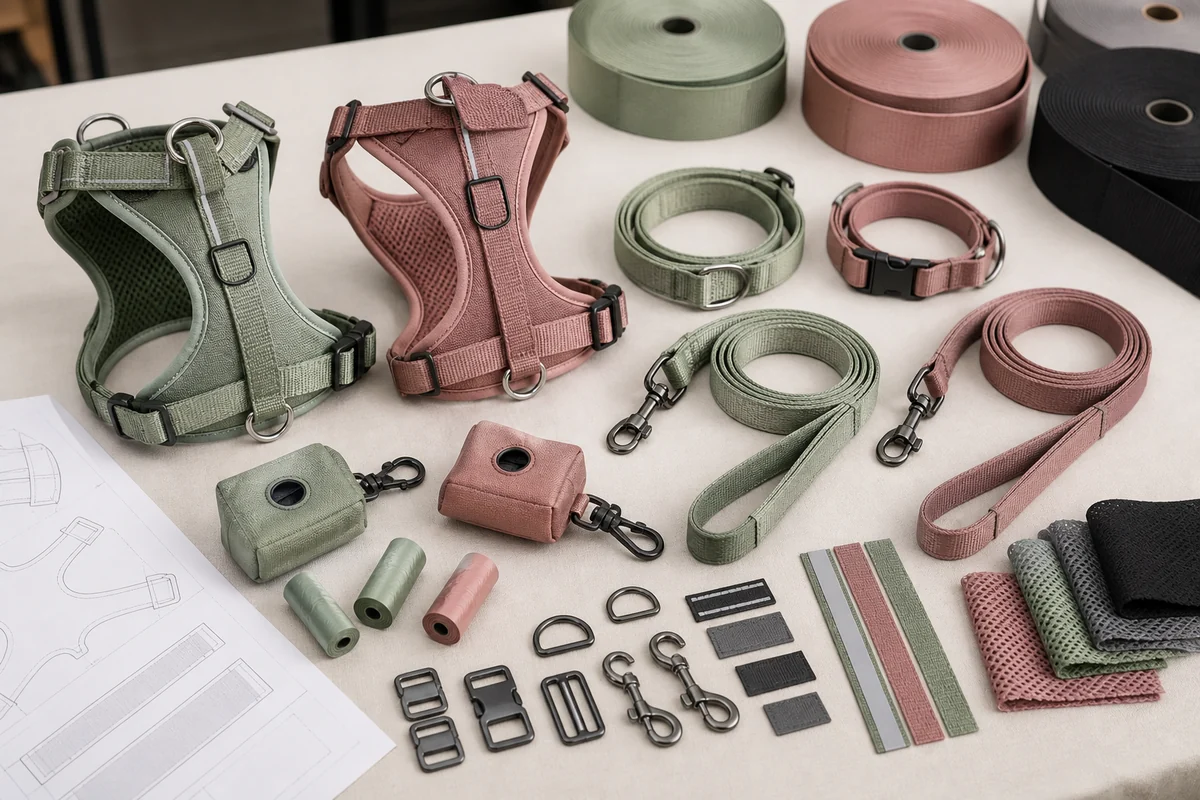
For a retail walking collection, coordinate the leash with custom dog collars, OEM dog harnesses, or matching walking sets. Reusing webbing, thread, hardware finishes, and labels can improve consistency.
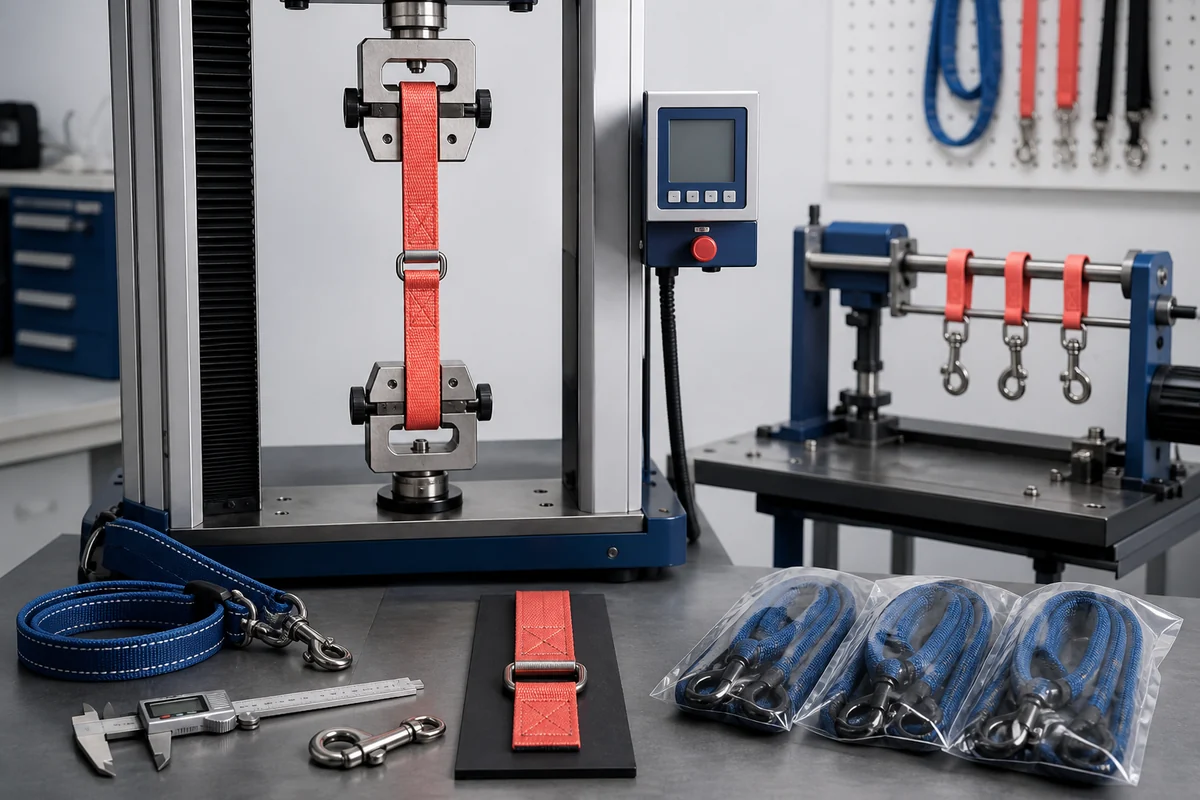
Potential checks include finished dimensions, static or dynamic load, seam performance, hook operation, swivel cycles, corrosion or finish condition, abrasion, colorfastness, and visual inspection. The required method and acceptance criteria depend on the product, market, and buyer requirements.
Do not apply one arbitrary load claim to every leash. Define the test fixture, sample conditioning, loading direction, duration or cycles, failure criteria, and reporting. Performance communication should remain accurate and should not encourage unsafe use.
Packaging may include a hang tag, belly band, recycled-paper sleeve, bag, box, barcode, care instructions, and warnings. Confirm the folding method so hooks cannot scratch the webbing or adjacent products. Long lines and multifunction leashes need particular attention to tangling and carton volume.
Use one controlled SKU matrix connecting style, length, width, color, logo, barcode, packaging, and carton quantity. Verify packed units against the matrix during final inspection.
Ask suppliers to price the same material, dimensions, hardware, logo, packaging, test plan, quantity split, trade term, and destination. Include tooling, samples, inspection, cartons, and estimated shipping volume. A lower unit price is not comparable when it excludes key components or assumes a different hook and webbing grade.
Sample different cartons, colors, and production stages. Check length, width, hardware, stitching, handle construction, logo, surface defects, packaging, and quantity. Compare the shipment with the approved sample and specification, then classify findings by severity.
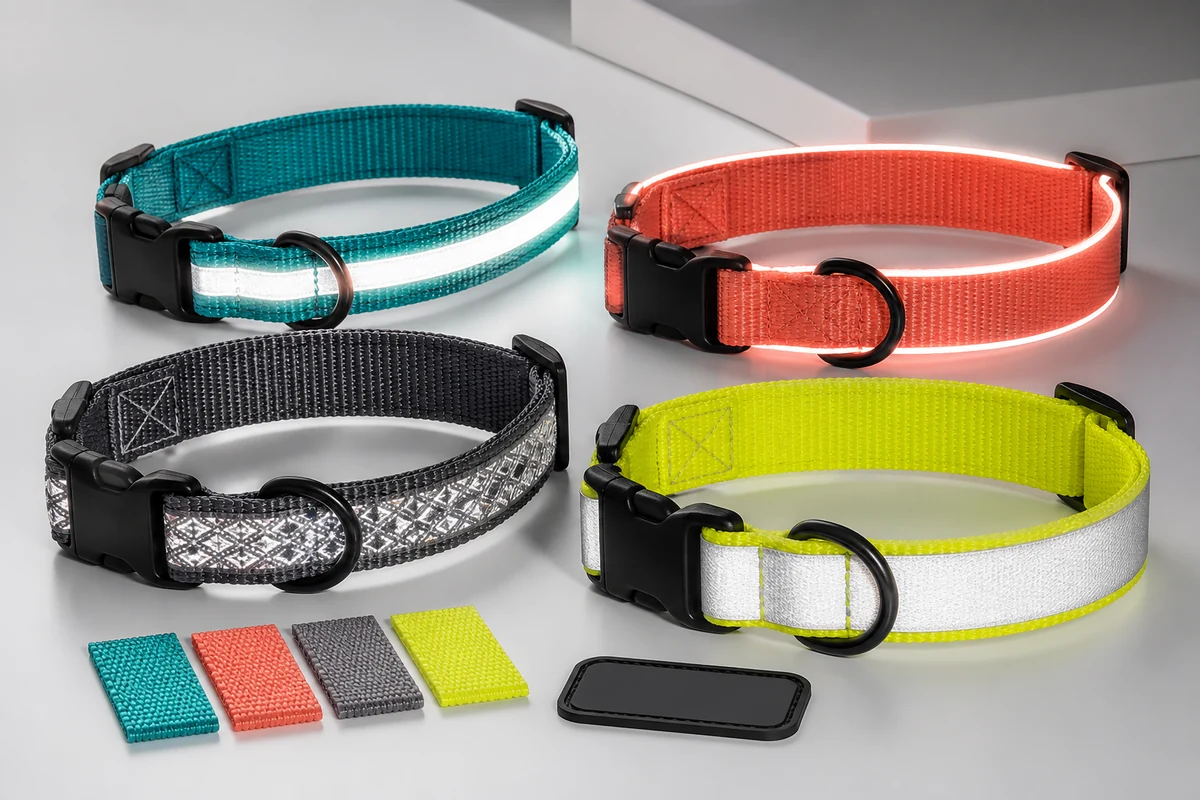
The reflective dog collar guide also explains how visibility materials should be described and inspected when reflective webbing or trim is part of a walking collection.
Send the leash format, dimensions, material, hook and ring choices, handle construction, logo files, quantity by color, packaging, testing needs, destination, and required delivery date. Request an OEM pet leash quote with a complete brief so Fun Pet can review material compatibility, sampling, production, and quality-control requirements.