Views: 292 Author: Publish Time:2026-08-19 09:30:00 Origin: Fun Pet
Successful OEM dog apparel production begins with fit and construction, not a decorative sketch. A hoodie, jacket, raincoat, cooling vest, or seasonal costume must work across a defined size range while keeping openings, closures, seams, and trims comfortable for the intended pet. A controlled development process helps buyers compare samples, manage revisions, and move into bulk production with fewer surprises.
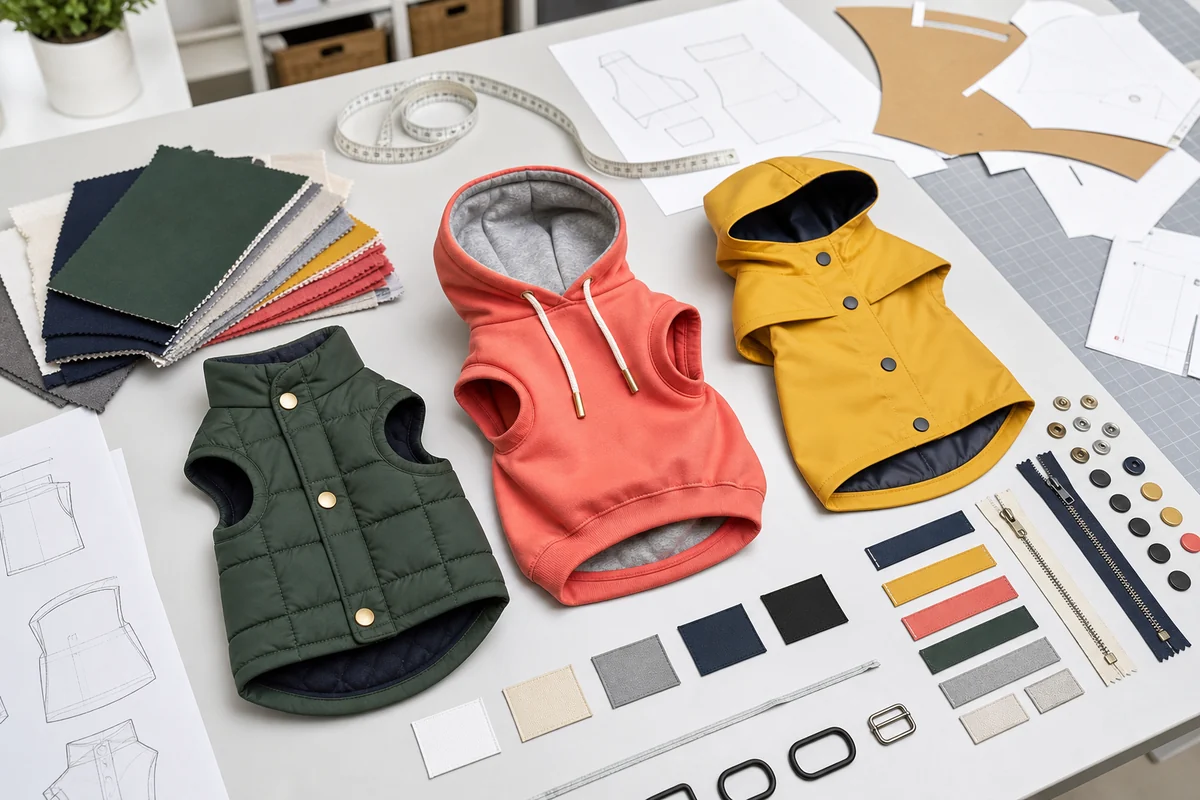
State the garment type, season, intended use, target dog group, coverage, layering needs, retail price, and sales market. A lightweight fashion hoodie and a weather-resistant walking jacket need different patterns, fabrics, closures, and test priorities. Reference photos are helpful, but they do not replace measurable requirements.
Review Fun Pet's custom dog apparel range to select a base direction. If the project is part of a broader program, connect it to the OEM pet product collection so labels, colors, and packaging can be coordinated.
The tech pack should include flat sketches, measurement points, sample size, graded size chart, materials, fabric weight, color references, stitch and seam details, closures, trims, logo files, label placement, packaging, and revision history. Number construction details so the supplier can respond to each point.
Identify which dimensions are body measurements and which are finished garment measurements. State tolerances for critical points such as back length, chest circumference, neck opening, front length, leg opening, and closure overlap. Unclear measurement methods are a common source of repeated samples.
| Fabric direction | Useful for | Development checks |
|---|---|---|
| Knit jersey or fleece | Hoodies, sweatshirts, and soft layers | Stretch, recovery, shrinkage, pilling, seam stability, and colorfastness |
| Woven or quilted fabric | Jackets, vests, and structured fashion pieces | Weight, drape, abrasion, lining behavior, and seam bulk |
| Coated or laminated fabric | Rainwear and weather-focused products | Water resistance method, flexibility, noise, seam treatment, and care |
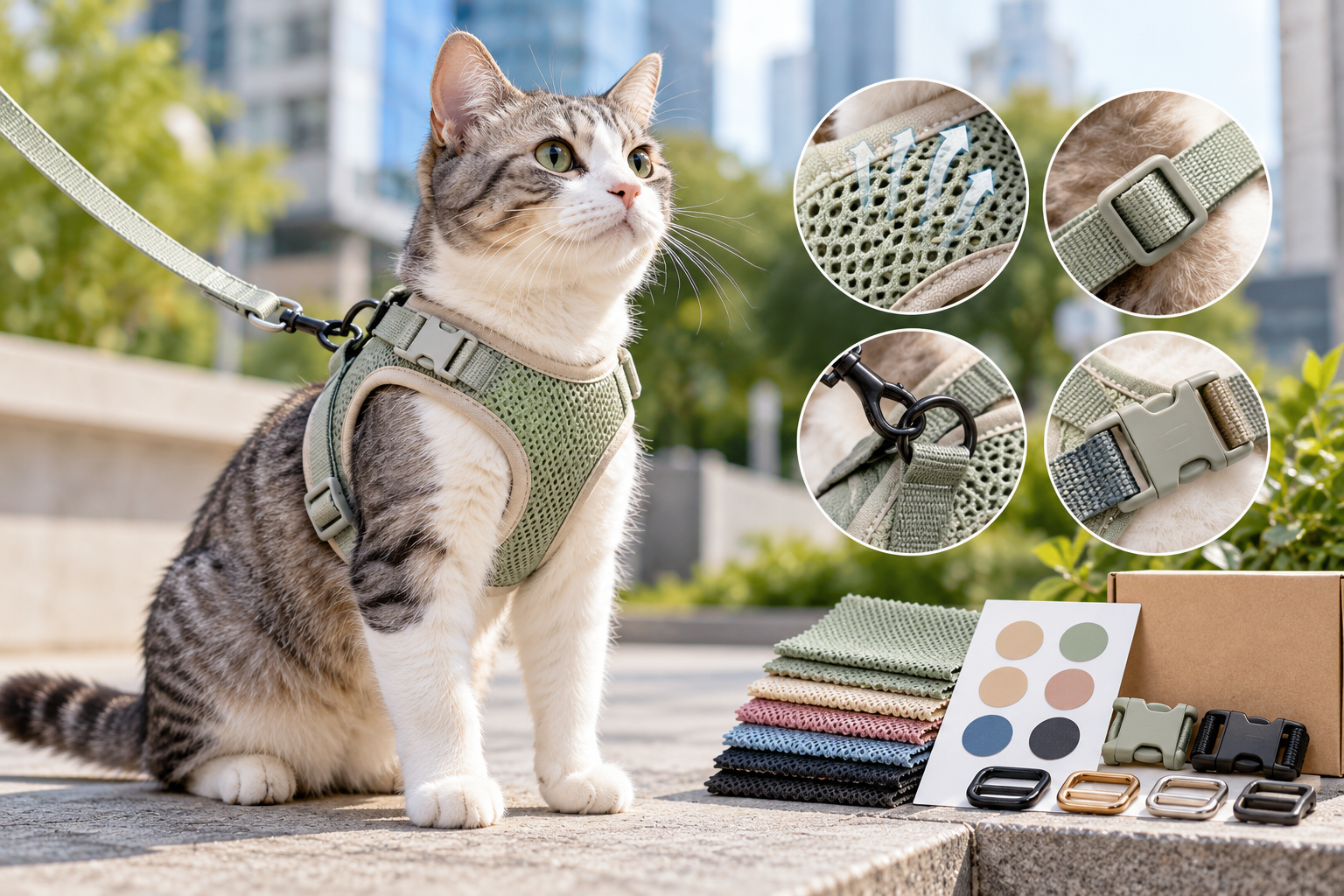
| Mesh | Warm-weather or visibility products | Breathability, edge binding, snagging, stretch, and logo compatibility |
Approve the actual production fabric, not only a similar swatch. Color, stretch, weight, surface finish, and shrinkage can alter fit and appearance even when the material name is the same.
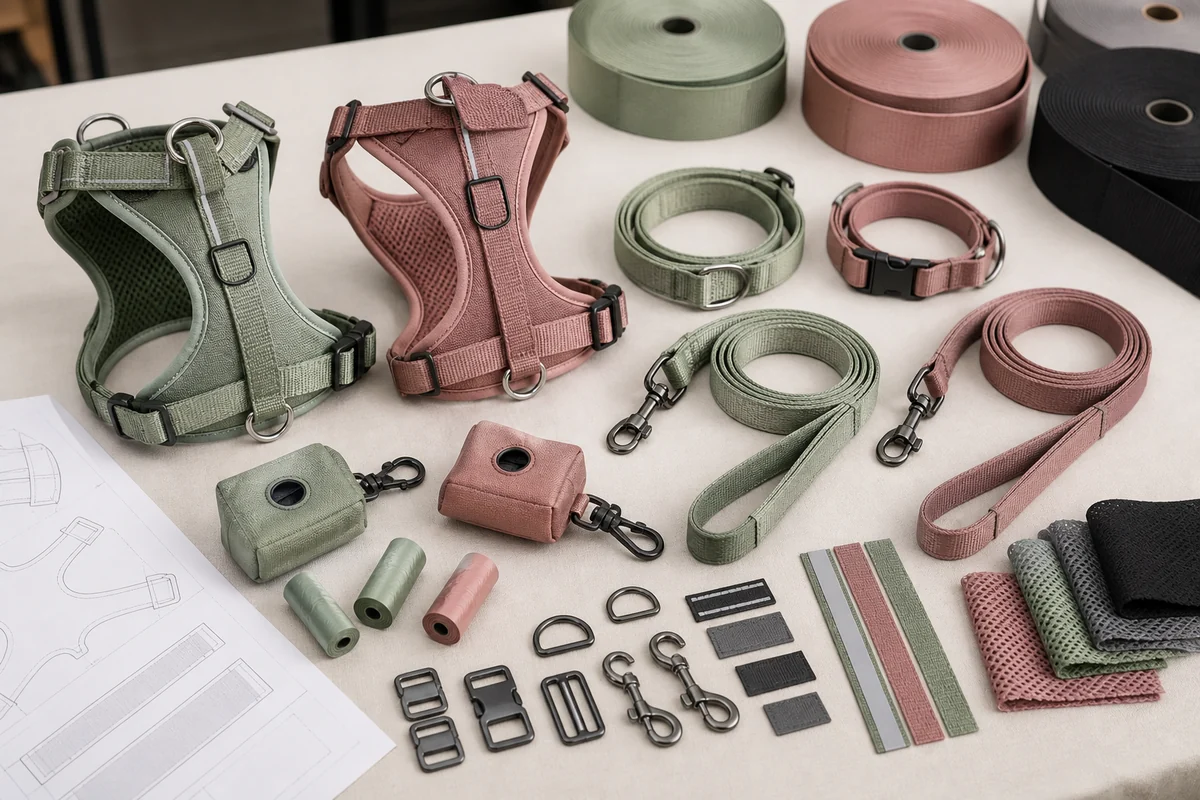
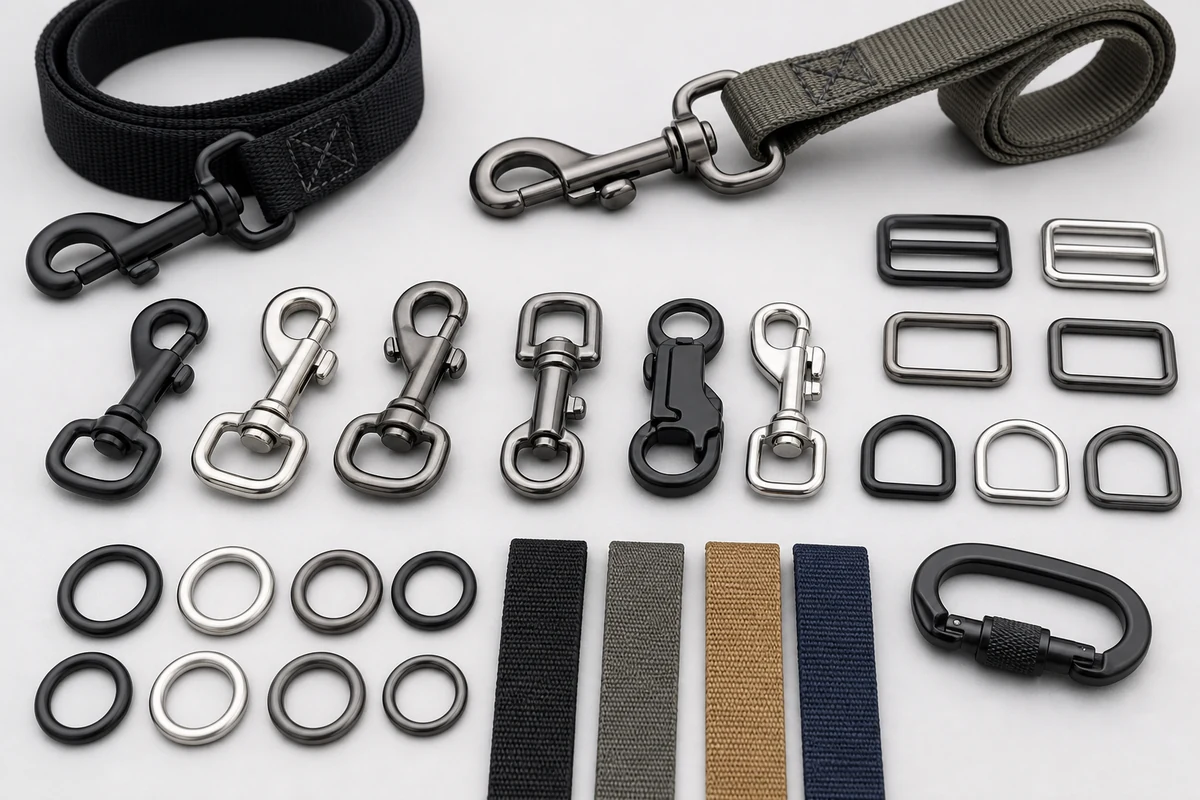
Snaps, zippers, hook-and-loop, elastic, drawcords, buckles, and buttons must suit the garment and pet. Check operating force, edge smoothness, placement, skin contact, snag risk, and bulk. Decorative elements should not interfere with movement, dressing, or leash attachment.
Review the inside of the garment as carefully as the outside. Seam allowances, labels, zipper ends, binding joins, and reinforcement can create pressure or rubbing. Keep logo and care labels away from high-contact areas where possible.
The first sample confirms construction, proportion, dressing method, and initial fit. Use a fit model or approved form that represents the target base size. Record photos and measurements from the same positions each round. Separate design changes from fit corrections so the pattern maker receives unambiguous feedback.
Do not approve a garment only because it looks attractive on one dog. Check standing, walking, sitting, shoulder movement, front-leg clearance, belly coverage, and closure stability. Any claim about warmth, cooling, waterproofing, or safety needs a defined basis.
After the base fit is approved, grade the pattern across planned sizes. Proportions do not always scale evenly between very small and large dogs. Review at least the smallest, base, and largest sizes when the range is broad. Confirm that logos, pockets, closures, and decorative panels still look balanced.
Provide a consumer-facing size chart using the same measurement definitions as production. If measurements fall between sizes, include clear guidance rather than relying on breed names alone.
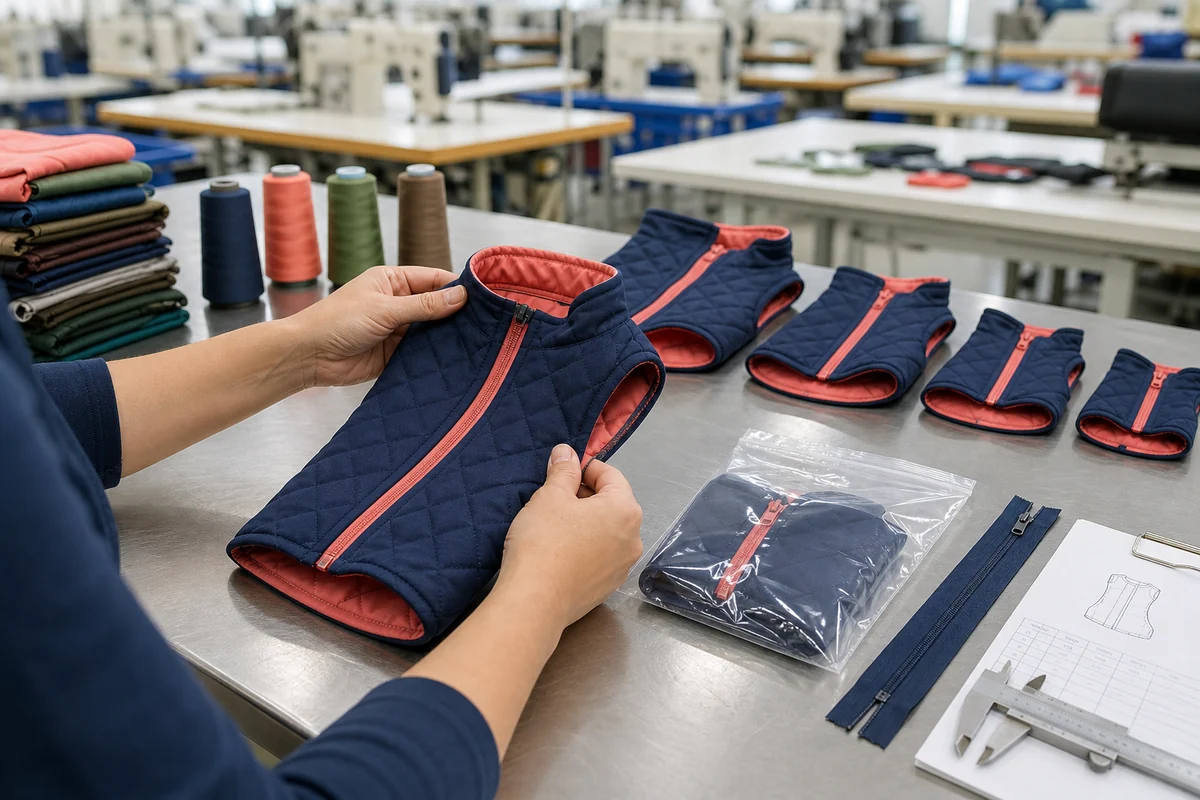
Before bulk cutting, confirm the production fabric, color, trims, thread, label files, print or embroidery sample, size set, packaging artwork, barcode data, and folding method. Freeze the approved tech-pack version. A pre-production sample should represent final materials and construction whenever possible.
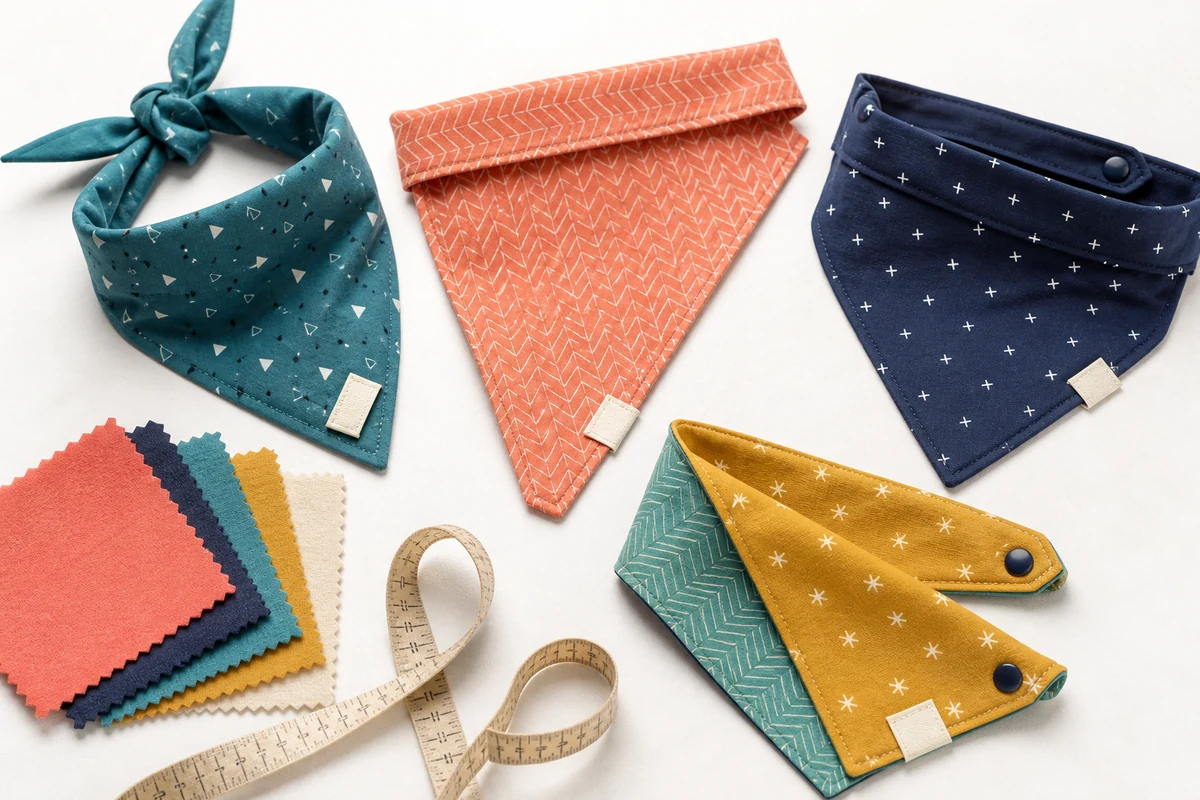
For a coordinated fashion offer, consider related custom pet bandanas or pet bow ties and pendants, but keep the apparel specification and size plan independently controlled.
Quality control should cover measurements, seams, stitches, symmetry, closures, prints, embroidery, labels, color, stains, loose threads, packaging, and quantity. Sample across sizes, colors, and cartons. High-risk points from development should receive additional checks rather than a generic visual inspection.
Compare results with the approved sample and tolerance table. Record findings by SKU. A shipment can have an acceptable overall quantity while still containing a recurring defect in one size or color.
Allow time for the tech pack, fabric sourcing, first sample, fit review, revisions, size set, print or embroidery approval, pre-production sample, bulk cutting, sewing, inspection, packing, freight, and customs. Set decision deadlines for artwork and size ratios so late feedback does not quietly remove the delivery buffer.
Include sketches or references, size chart, fabric direction, trims, logo artwork, quantity by size and color, packaging, destination, compliance requirements, and required arrival date. The earlier custom pet apparel manufacturing guide provides additional product positioning ideas. When the development file is ready, request an OEM dog apparel quote to review sampling and production.