Views: 2 Author: Publish Time:2026-09-16 10:00:00 Origin: Fun Pet Sourcing Team
Comparing silicone vs rubber dog chew toys requires more than a material label. Compound formulation, hardness, wall thickness, molded geometry and intended dog size all influence performance. An OEM buyer should define measurable requirements and approve a physical sample instead of relying on broad claims such as “indestructible” or “food grade” without supporting documentation.
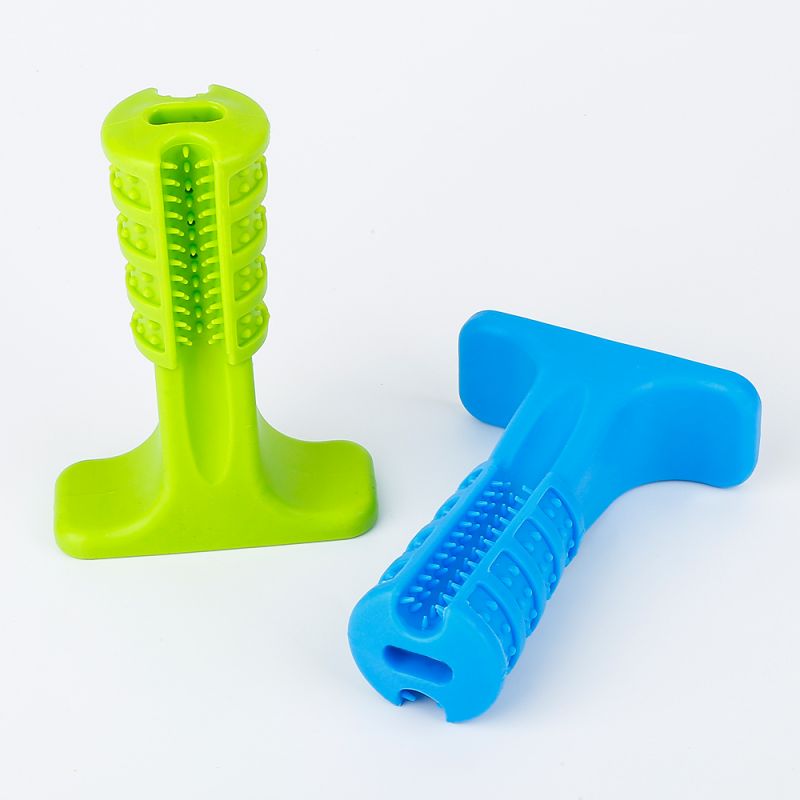
Describe whether the toy supports chewing, dental-texture interaction, fetching or supervised enrichment. State the intended dog-size group and expected use pattern. Finished length, diameter, weight, openings and protrusions should be reviewed together. Browse the OEM Pet Toys collection and compare the custom silicone dental chew stick with the custom rubber dental chew stick.
Silicone products may be selected for their flexible feel, color options and molded detail. The buyer should request the compound description, relevant supporting documentation and an approved hardness reference. Record any requirements for odor, color, surface finish and temperature or cleaning performance that matter to the intended product and market.
Rubber covers a wide family of natural and synthetic compounds. Performance depends on formulation, hardness, resilience, fillers and curing. Specify the exact agreed compound or approved supplier reference rather than using “rubber” alone. Claims on packaging should be limited to what documentation supports.
Hardness should use an agreed scale, measurement point and tolerance. Geometry affects perceived flexibility, so two toys made from the same compound may feel different when wall thickness or openings change. Approve both the target hardness and finished-product hand feel. Check whether the item returns to shape after repeated compression and whether thin sections tear or permanently deform.
Issue a drawing with overall dimensions, critical wall thickness, holes, texture and logo location. Inspect parting lines, flash, short shots, bubbles, sink marks and rough edges. Dental textures should be consistent and free from unintended sharp features. If a new mold is required, separate tooling approval from color and packaging approval.
Testing must match the design and sales market. Establish the method, sample size and acceptance criteria with qualified specialists before production.
Options may include custom compound color, molded logo, printed detail, hangtag, card, bag, net or retail box. A molded logo can require tooling, while a tag or package may provide more space for instructions and branding. MOQ depends on compound batch, color split, mold, decoration and pack format.
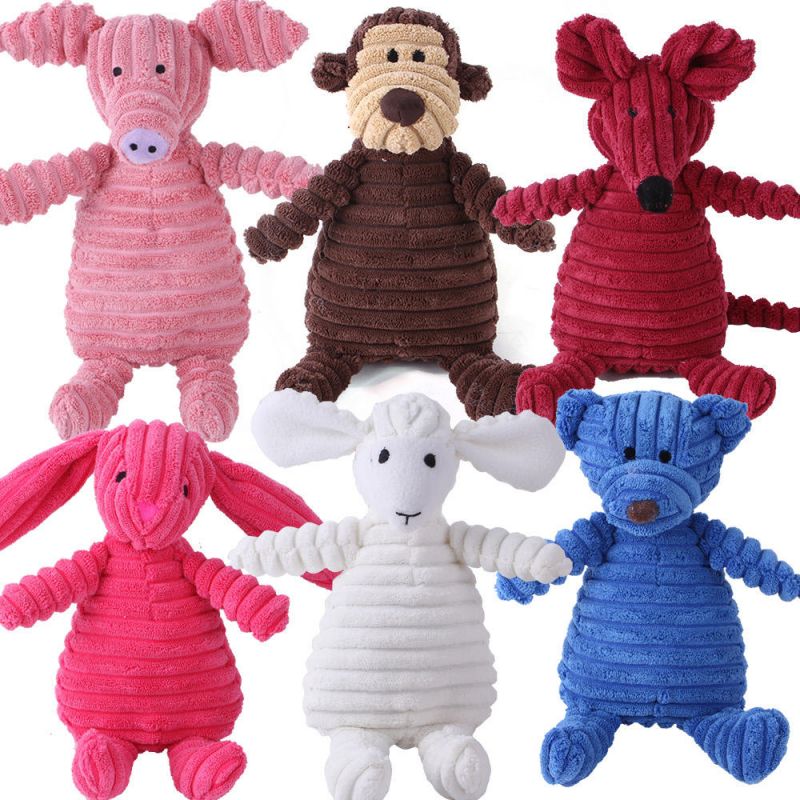
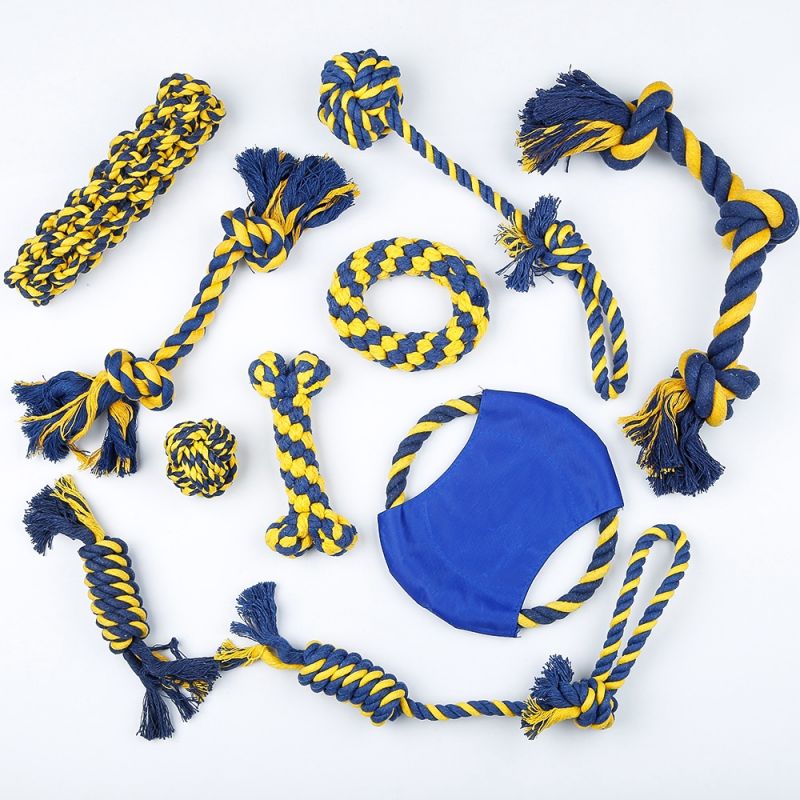
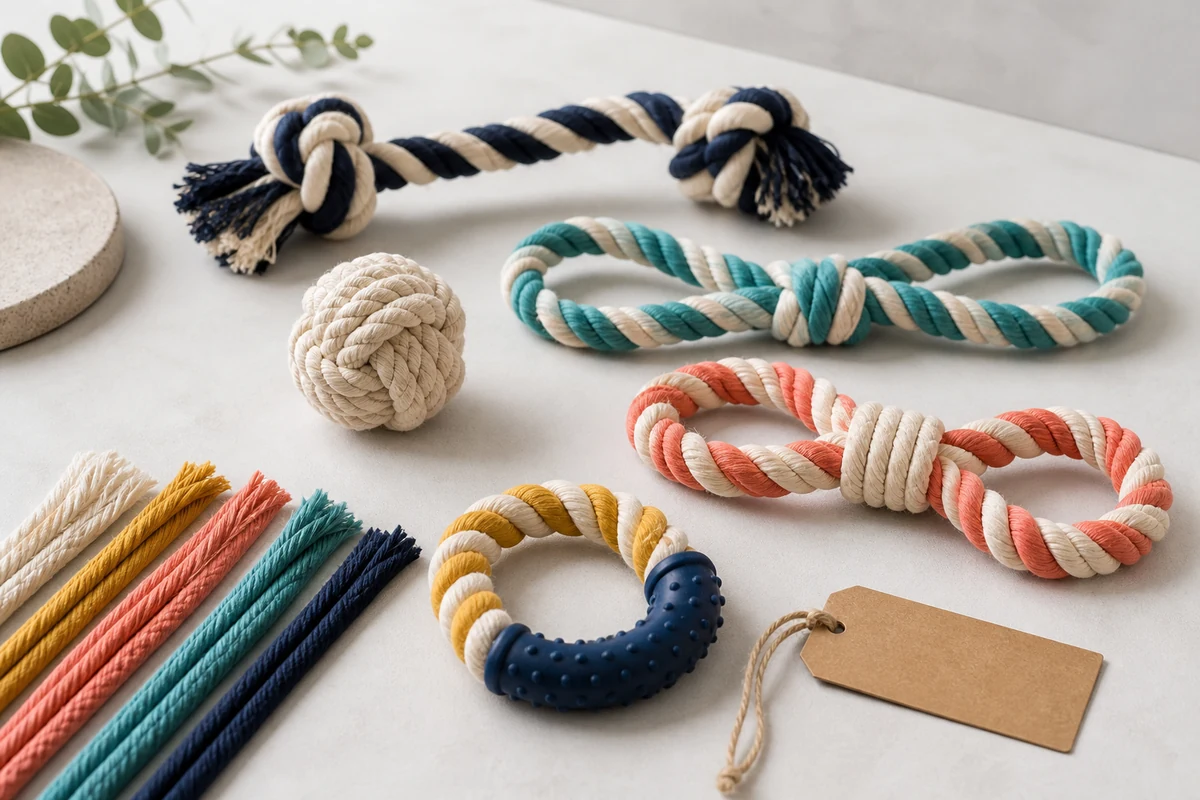
Molded chew toys can be combined with a plush squeaky toy, interactive plush toy or custom rope toys, but each construction needs its own checks. Use the same brand colors and packaging system while keeping material claims, warnings and inspection criteria product-specific.
Send the material preference, hardness target, dimensions, intended dog group, artwork, testing, quantity, packaging and destination. Request a silicone chew toy sample and bulk quote; the reference product is preselected for a faster specification review.