Views: 2 Author: Publish Time:2026-09-15 09:30:00 Origin: Fun Pet Sourcing Team
OEM squeaky dog toys need a product-specific specification because sound units, seams, filling and overall size interact. A reference photo does not define squeaker retention, stitch construction or intended dog group. Buyers should approve each component and the assembled sample before the design moves into bulk production.
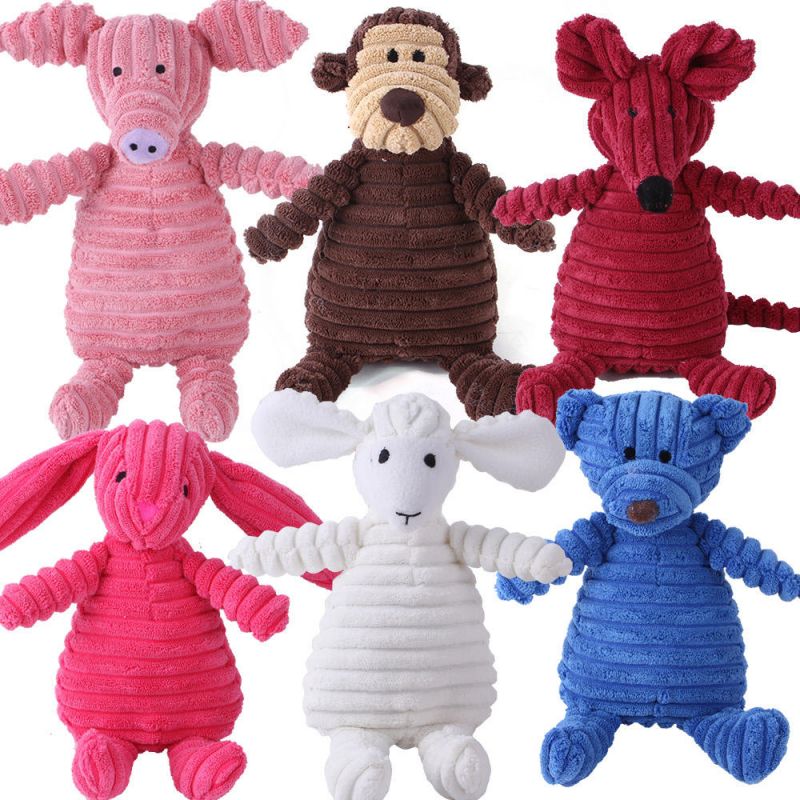
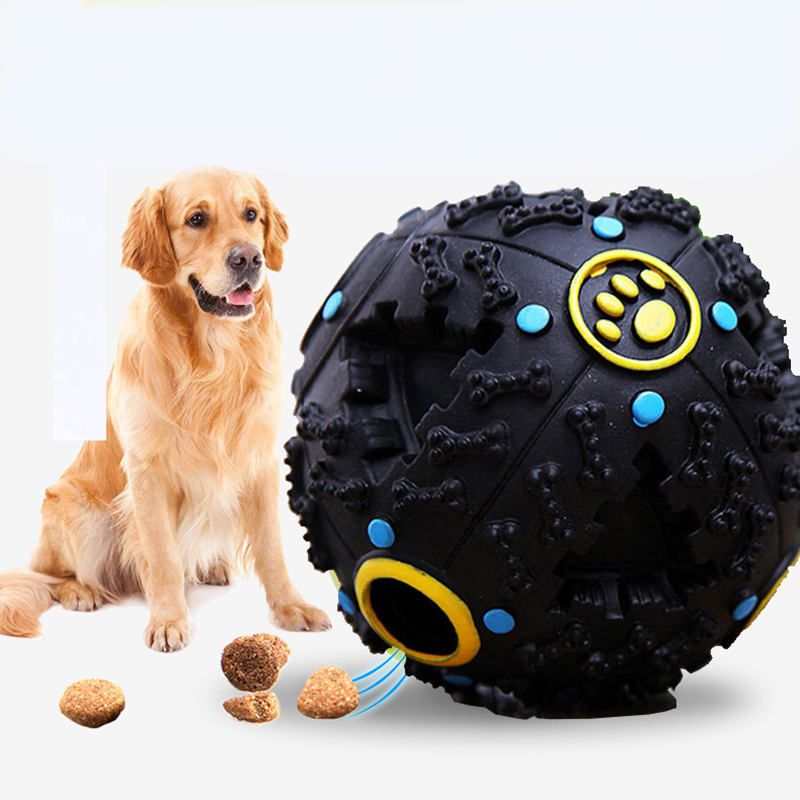
State whether the toy is intended for fetching, gentle mouthing, enrichment or supervised interactive play. A plush shape uses fabric, seams and filling around the squeaker; a molded ball relies on material, wall thickness, openings and integrated sound construction. Browse the custom Pet Toys collection, compare the plush squeaky dog toy and the squeaky dog toy ball.
Record squeaker material, dimensions, sound level or approved reference, position and attachment method. The production sample should show how the unit is retained and protected from migration. Check repeated compression, recovery and sound consistency using an agreed method. If the product contains more than one sound component, map each location on the proof.
For plush toys, define outer fabric, backing, seam allowance, stitch type, stitch density and reinforcement at curves or high-stress joins. Record filling material and target distribution so the shape, hand feel and squeaker location remain consistent. Inspect thread ends, skipped stitches, holes, asymmetry and exposed component edges.
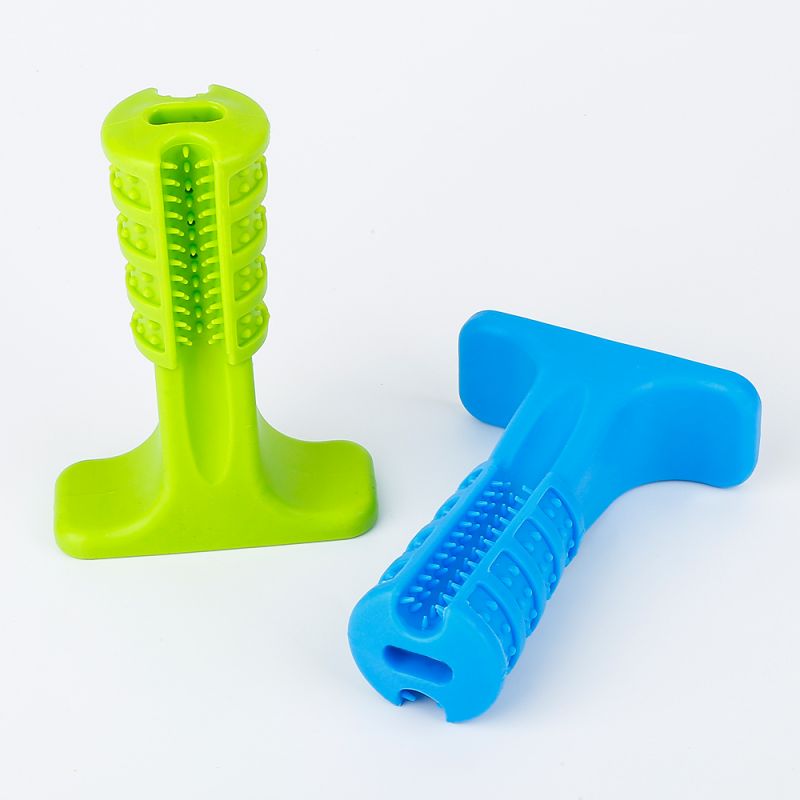
For molded designs, approve compound, hardness range, color, dimensions, wall thickness, vent or sound openings and surface texture. Inspect flash, short shots, deformation and odor against the approved sample. The silicone dental chew toy and rubber dental chew stick show why compound and hardness should be specified separately from visual shape.
Define finished length, width, weight and the intended dog-size range. Avoid treating one toy as universally suitable. Packaging and product instructions should tell owners to supervise use, select an appropriate size, inspect regularly and replace a damaged toy. Final warnings must reflect the product and destination market.
Legal and retailer requirements vary; confirm the applicable test program with qualified specialists. The guide to private label dog toy materials, safety checks and packaging provides a wider procurement framework.
Branding may use a woven label, printed fabric, embroidery, molded mark, hangtag, card or box. Choose a method that does not introduce an unsuitable hard or detachable element. MOQ depends on fabric or compound color, mold or pattern setup, number of shapes, logo and packaging. Ask how the order can be split by size and color.
Send intended play, dog size, materials, dimensions, sound requirement, artwork, testing, quantity and packaging. Request a plush squeaky toy sample and bulk quote; the referenced product is preselected and the source page will be recorded.