Views: 12 Author: Publish Time:2026-10-28 18:24:25 Origin: Funpet
Private label dog collars are a core product category for many pet brands, retailers and distributors. Although a dog collar may look like a relatively simple product, developing a successful collection requires careful decisions about materials, hardware, sizing, branding and packaging.
For brands working with a custom dog collar manufacturer, a clear product specification can make the sampling process faster, improve production consistency and help create a collection that fits the target market.
This guide covers the key factors B2B buyers should consider when developing custom and private label dog collars.
Before selecting materials or colors, define how the dog collar will be positioned.
A lightweight everyday collar, an outdoor waterproof collar and a premium fashion collar may require very different materials, hardware and construction.
Consider questions such as:
Who is the target customer?
What dog sizes will the collection serve?
Is the product designed for everyday walking, outdoor activities or fashion?
What retail price range are you targeting?
Will the collar be sold individually or as part of a matching walking set?
Providing this information to your OEM dog collar manufacturer can help narrow down suitable materials and construction options before sampling begins.
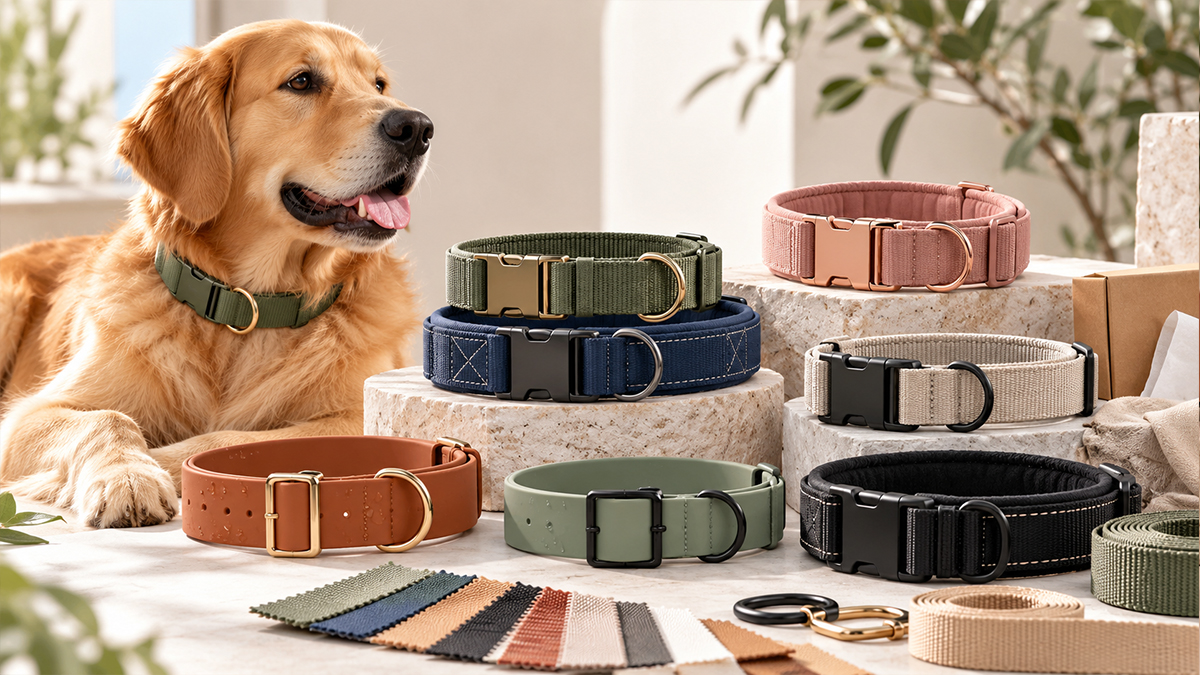
Material selection affects appearance, comfort, durability, cost and brand positioning.
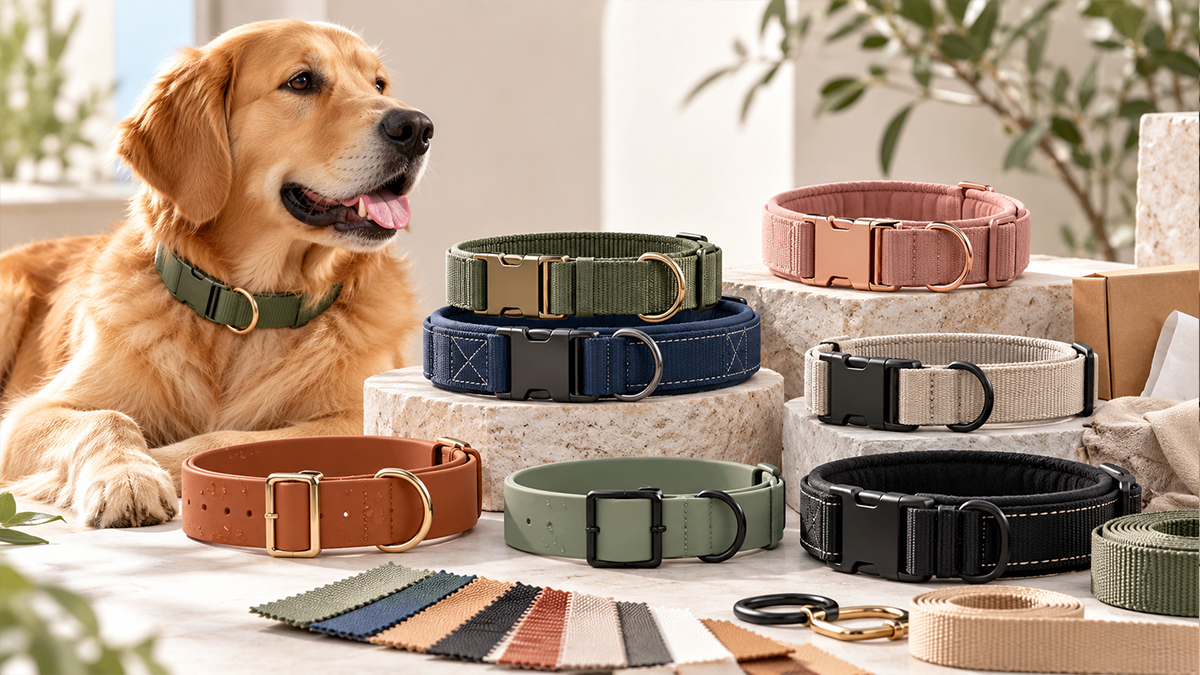
Nylon is widely used for custom dog collars because it is lightweight, durable and available in many colors.
It can work well for everyday collections and can be combined with woven labels, printed patterns or other branding methods.
Polyester provides another versatile option for private label dog collars.
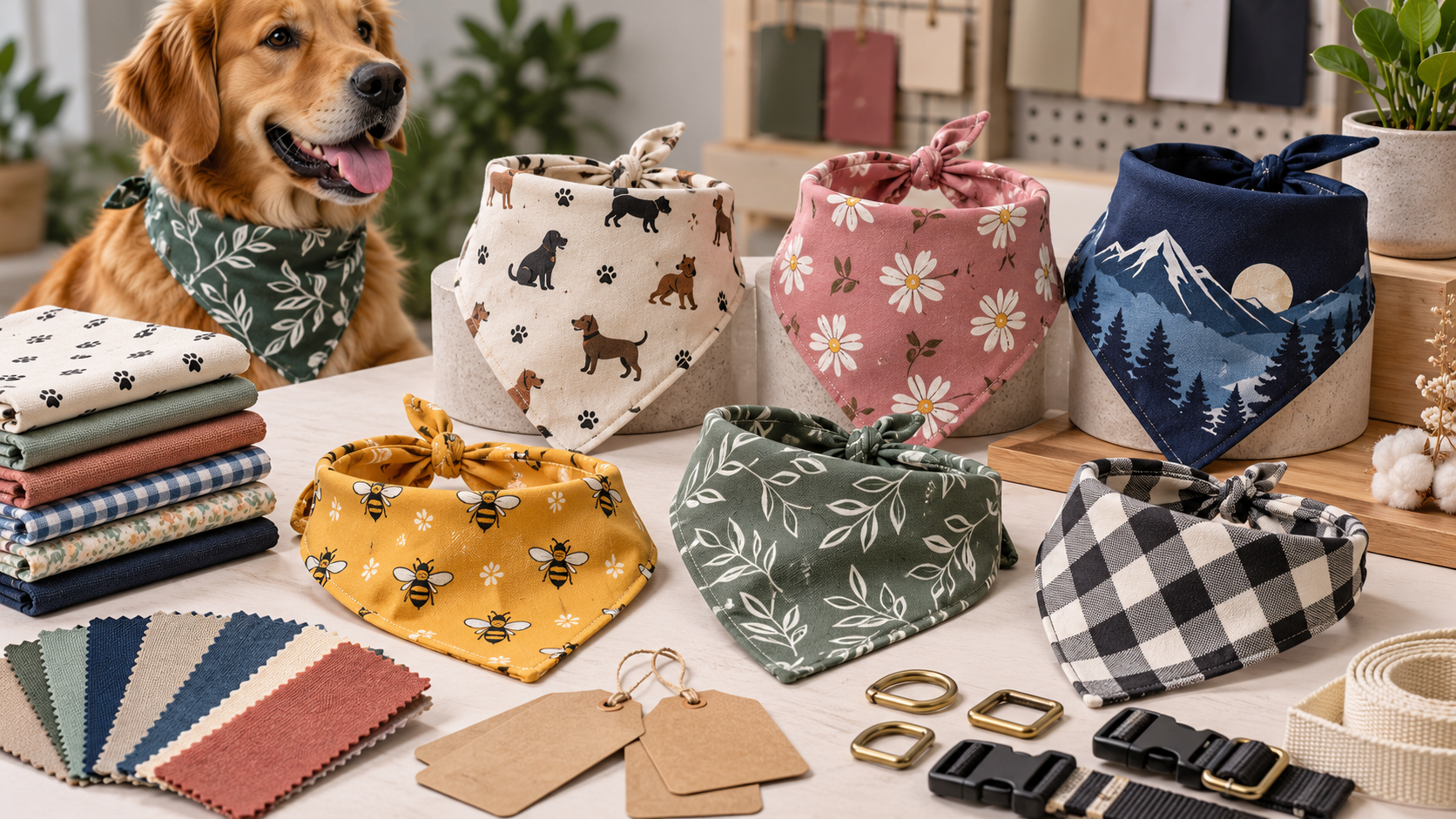
It is particularly useful for collections featuring printed patterns, seasonal artwork or coordinated designs across collars, leashes and harnesses.
Adding neoprene or soft padding can create a more comfortable feel and a more substantial product.
Padded collars are often used for brands targeting premium everyday walking products.
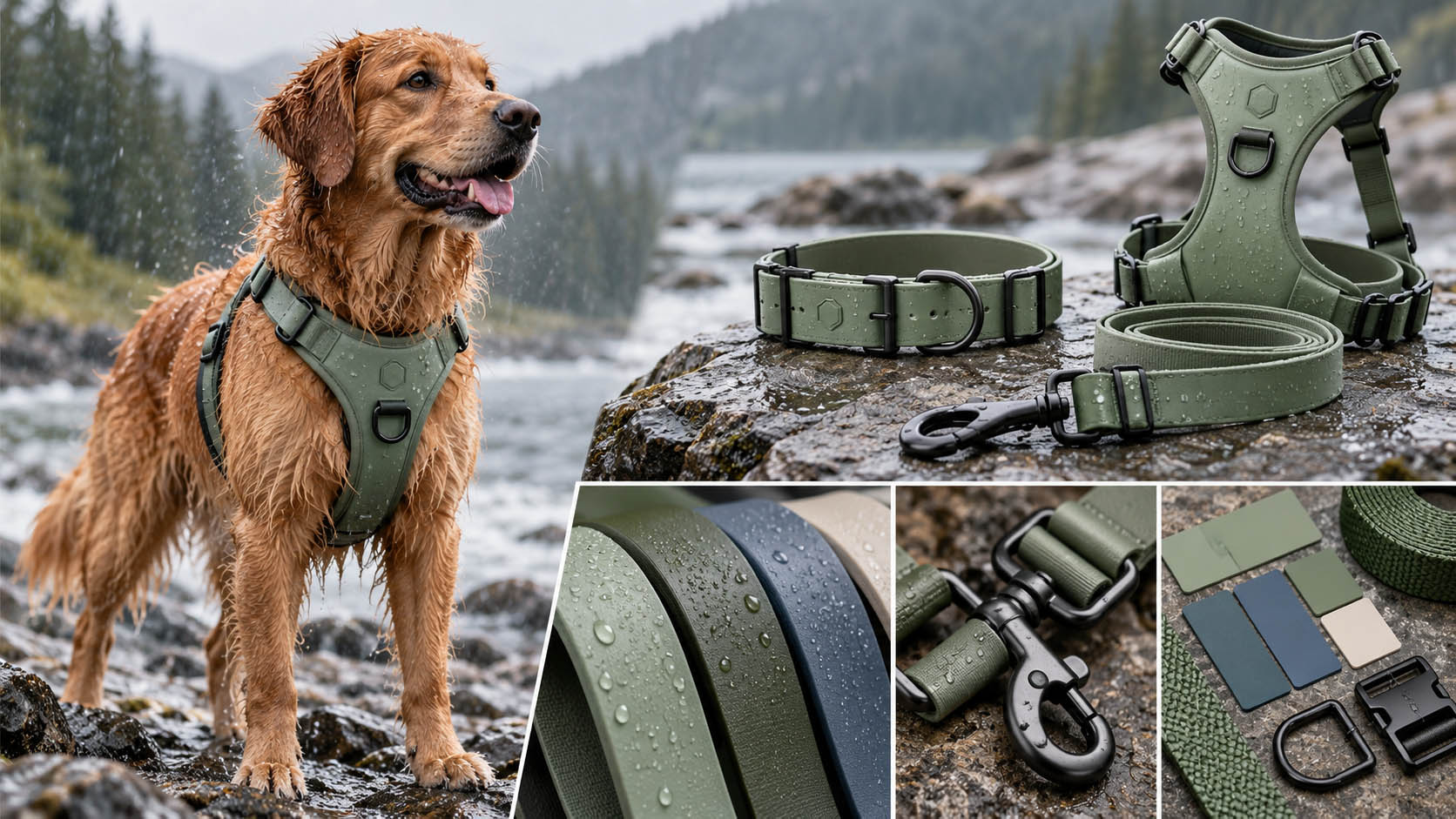
Water-resistant or coated webbing can be useful for outdoor-focused collections.
These materials are generally easier to wipe clean and may be suitable for brands targeting active dogs, wet environments or adventure-oriented customers.
Tweed, printed fabrics and other decorative textiles can help create a distinctive visual identity.
They are particularly suitable for boutique collections, seasonal launches and coordinated fashion accessories.
The right material should support both the intended product function and the brand's retail positioning.
Hardware is one of the most important components of a dog collar.
Common components include:
Quick-release buckles
Metal buckles
D-rings
Adjustment sliders
Logo plates
Decorative hardware
When selecting hardware, buyers should consider the collar size, intended use, material thickness and desired appearance.
Hardware finishes should also be consistent across a collection.
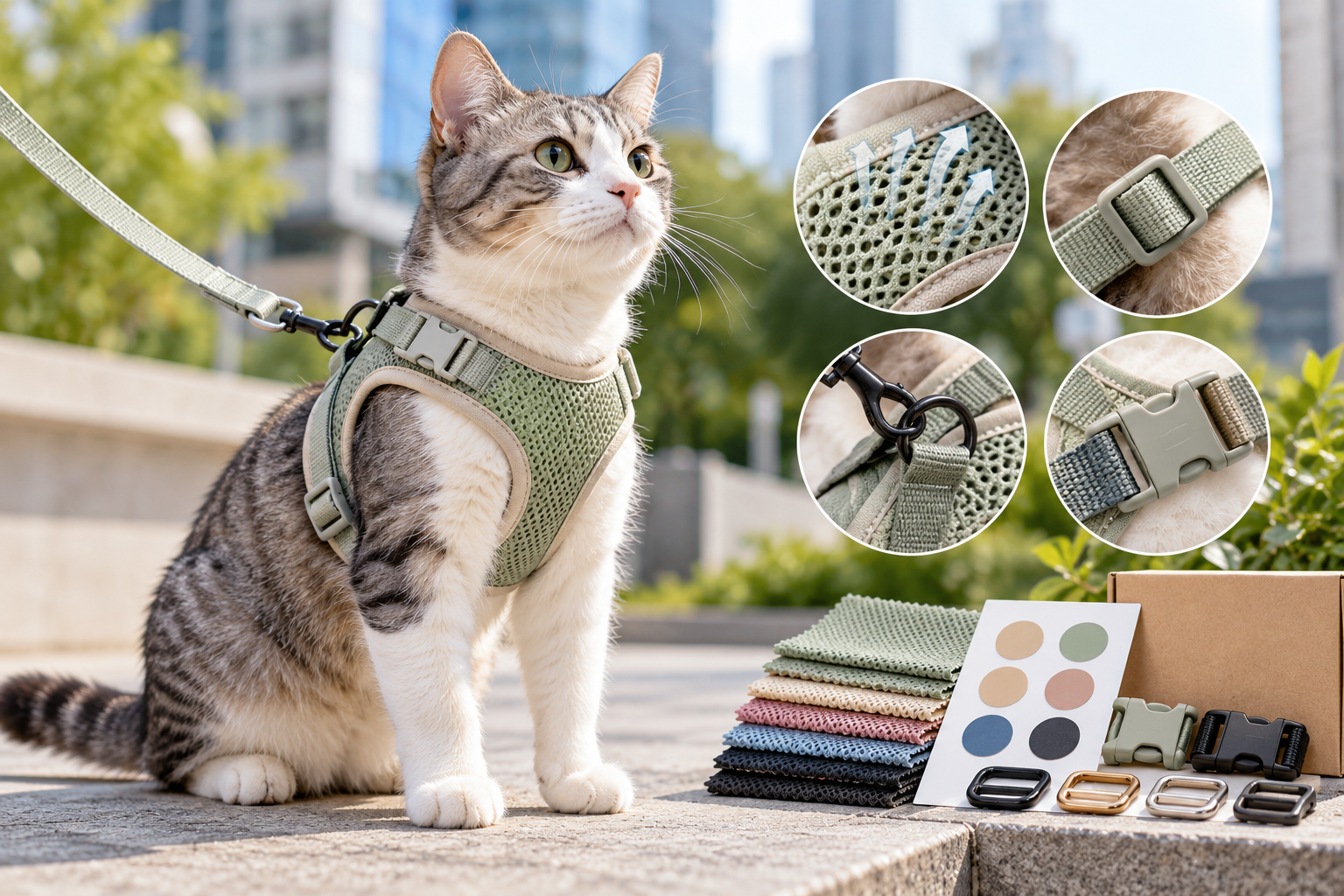
For example, if a brand is developing matching collars, harnesses and leashes, using the same black, silver, gold or other hardware finish can create a more cohesive retail presentation.
Branding transforms a standard collar into a private label product.
Depending on the design and material, common logo options can include:
Woven labels provide a clean and relatively subtle branding solution.
Printing can work well when the design requires larger graphics, repeating patterns or more colorful branding.
Embroidery can provide a premium textile appearance on suitable materials.
Logo patches can create a modern, dimensional branding effect and are often used for outdoor or lifestyle-oriented collections.
For larger or more developed collections, customized metal plates, buckles or other hardware details can help strengthen brand recognition.
Logo placement should be confirmed during sampling to ensure that it remains visible without affecting comfort or adjustment.
Sizing is especially important when developing wholesale dog collars.
Instead of simply requesting small, medium and large sizes, define the actual measurements for each SKU.
A size specification may include:
Webbing width
Minimum neck circumference
Maximum neck circumference
Total collar length
Buckle dimensions
D-ring dimensions
The size range should reflect the target dogs and intended retail market.
Keeping an approved measurement chart also makes future production and repeat orders easier to manage.
A private label dog collar does not need to remain a standalone product.
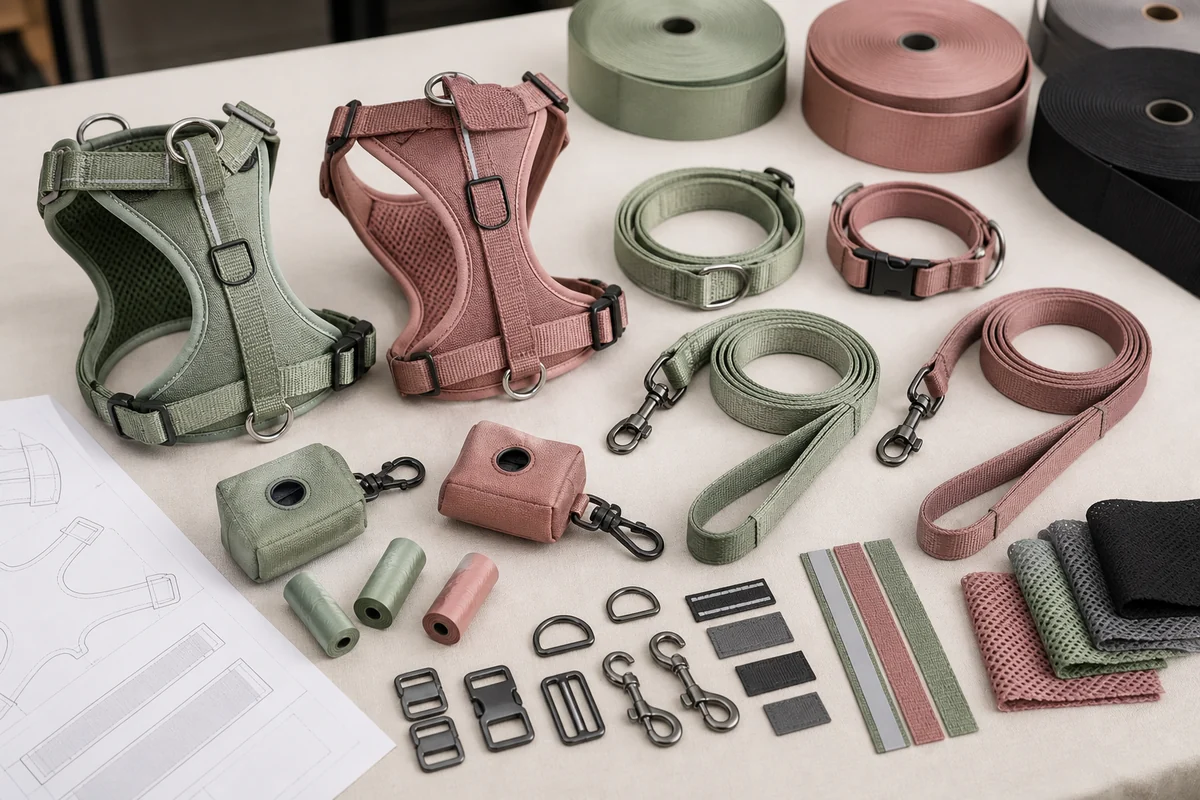
Many pet brands develop coordinated collections that include:
Dog collars
Dog leashes
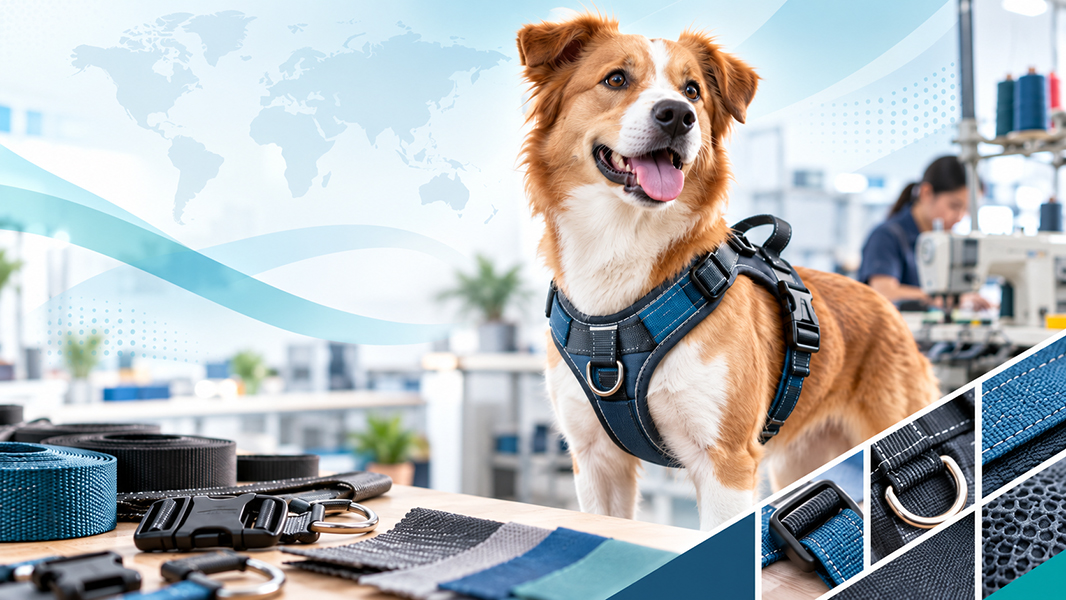
Dog harnesses
Poop bag holders
Bandanas
Bow ties
Other walking accessories
Using coordinated materials, colors, prints and hardware can create a stronger brand presentation and provide more opportunities for bundles and matching sets.
When developing multiple products together, provide the manufacturer with one shared color and material reference so that the entire collection can be evaluated as a product family.
A clear product brief helps reduce unnecessary sampling rounds.
Before requesting a quote from a custom dog collar manufacturer, prepare as much information as possible.
Your brief should ideally include:
Target quantity
Required sizes
Material preference
Pantone colors or artwork
Hardware type and finish
Logo method and placement
Packaging requirements
Target market
Required testing or labeling
Destination country
Target delivery date
If you do not yet have a complete specification, reference images and target retail positioning can provide a useful starting point for product development.
Sampling is an important part of private label dog collar development.
During sample review, check:
Overall dimensions
Adjustment range
Stitching quality
Buckle operation
D-ring attachment
Material feel
Color accuracy
Logo size and placement
Hardware finish
Packaging presentation
Any required changes should be documented clearly before production begins.
Keeping an approved reference sample can also help both the buyer and manufacturer maintain consistency during bulk production.
Packaging should be considered during product development rather than after production.
Depending on the sales channel, private label dog collars may use:
Hang tags
Header cards
Branded boxes
Paper sleeves
Polybags
Barcode labels
Retail display packaging
Packaging dimensions, logo artwork, barcodes and required product information should be confirmed before mass production.
For coordinated collections, consistent packaging can make collars, leashes and harnesses look like part of the same brand family.
Choosing a supplier involves more than comparing unit prices.
A suitable manufacturing partner should be able to support areas such as material selection, sizing, logo customization, sampling, packaging and quality control.
For growing brands, flexible order quantities can also be important when testing new colors or designs before committing to larger production runs.
Clear communication during development is particularly valuable because small details such as webbing thickness, hardware finish or logo position can significantly affect the final product.
Fun Pet supports pet brands, retailers, wholesalers and distributors with OEM and ODM pet accessory development.
Our customization options include materials, colors, sizes, patterns, hardware, logos and retail packaging. Brands can develop individual dog collars or coordinate them with matching leashes, harnesses and other walking accessories.
From initial product ideas and sampling to production and quality control, our team helps buyers turn product concepts into retail-ready pet accessory collections.
If you are planning a new private label dog collar collection, send us your target quantity, size range, material preference, logo artwork and packaging requirements.
Request a custom dog collar quote and start developing your next pet accessory collection with Fun Pet.