Views: 306 Author: Publish Time:2026-07-31 10:20:00 Origin: Funpet
Sustainability can strengthen a pet collection when it is connected to real material decisions, durable construction, useful packaging, and claims that buyers can support. For brands sourcing eco-friendly pet accessories, hemp collars and leashes offer a natural visual direction and a practical base for private label development.

The phrase "eco-friendly" is broad. A useful factory brief should replace broad language with measurable choices: preferred fiber content, recycled or reduced packaging, replaceable components, product durability, restricted substances, and the documents needed for the target market. Decide which claims are priorities before comparing quotes.
A collar made with a natural-looking fabric is not automatically a low-impact product. Hardware, backing materials, dyes, labels, packaging, expected service life, and shipping configuration all contribute to the final program. Clear priorities help prevent a collection that looks sustainable but cannot explain why.
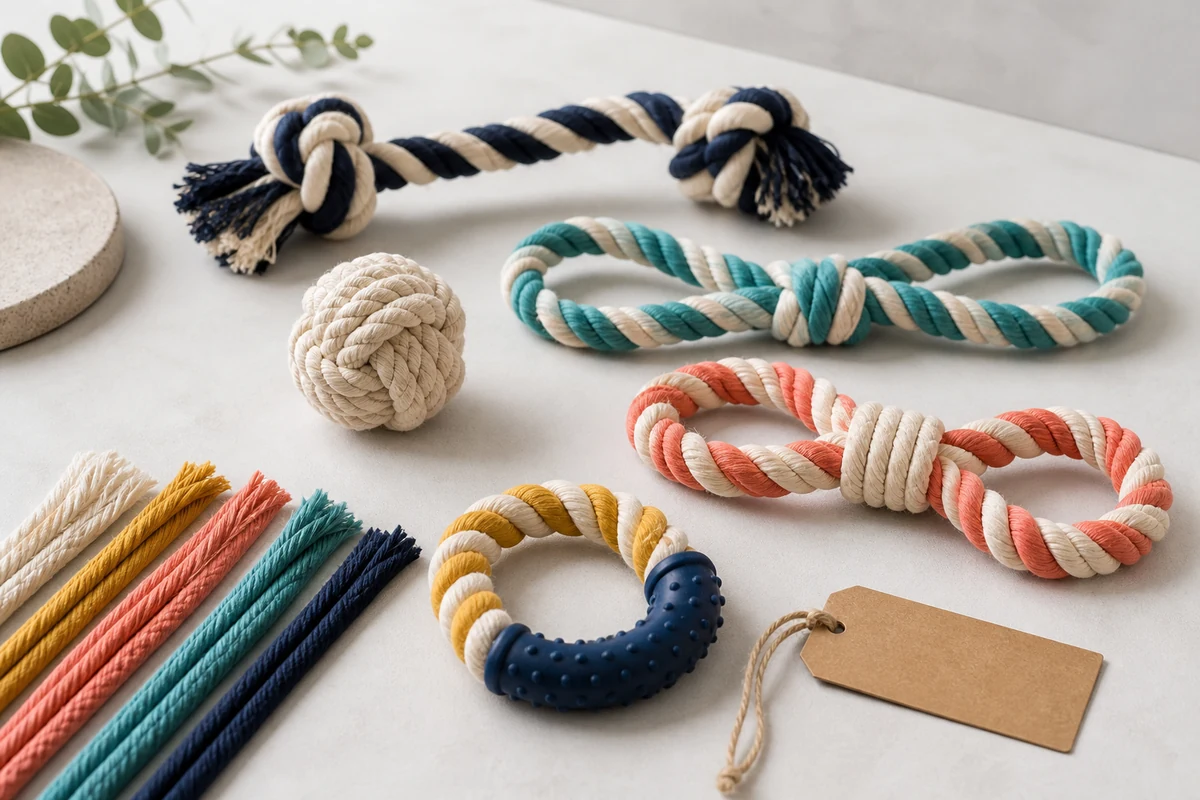
Hemp fibers are associated with a natural texture and can be used in woven tapes, fabrics, or blended constructions. The exact hand feel and performance depend on fiber preparation, blend ratio, weave, thickness, backing, dyeing, and finishing. Some products use a hemp-facing layer over a structural webbing to combine a natural appearance with controlled dimensions.
Ask the supplier to identify the material composition of each layer. If a claim will appear on packaging or a product page, request documentation appropriate to that claim and market. Avoid publishing a percentage or certification that has not been confirmed for the specific production material.
Pet collars and leashes face repeated pulling, bending, rubbing, moisture, dirt, and cleaning. During sampling, review:
The goal is not to make hemp behave exactly like synthetic webbing. It is to define the experience customers should expect and build the construction around that material.
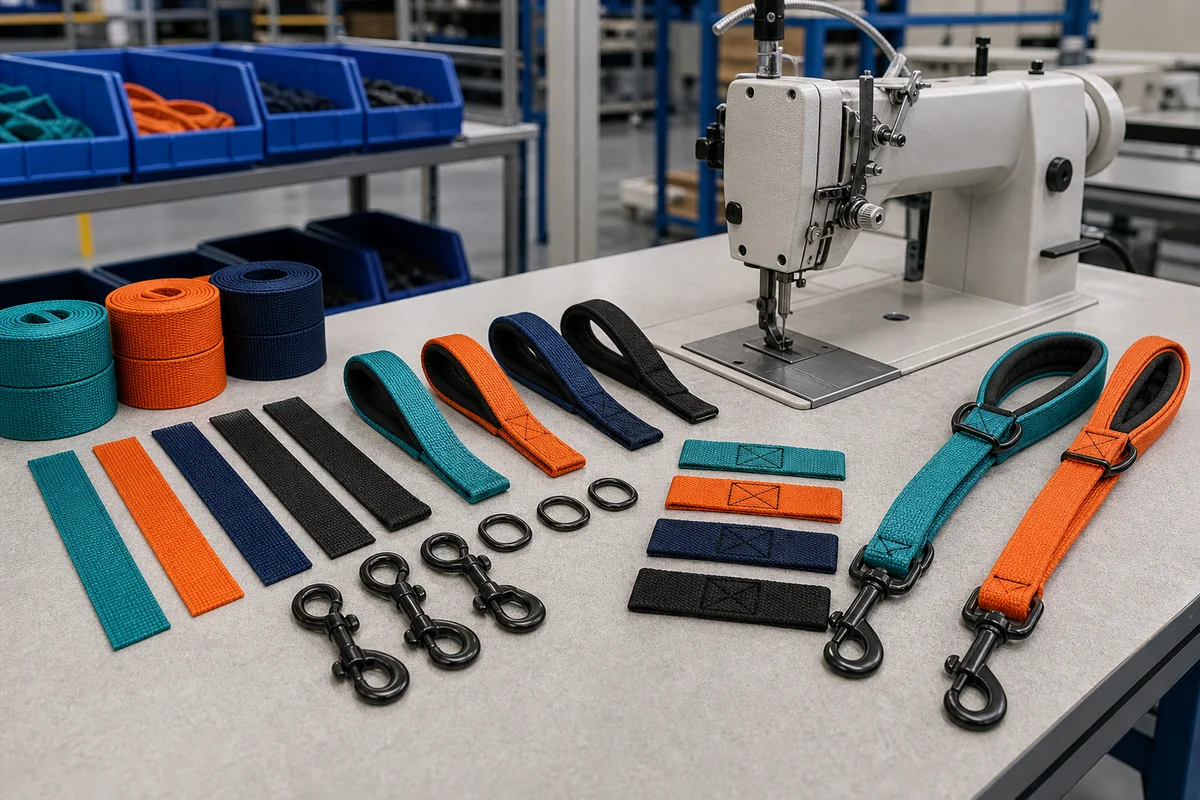
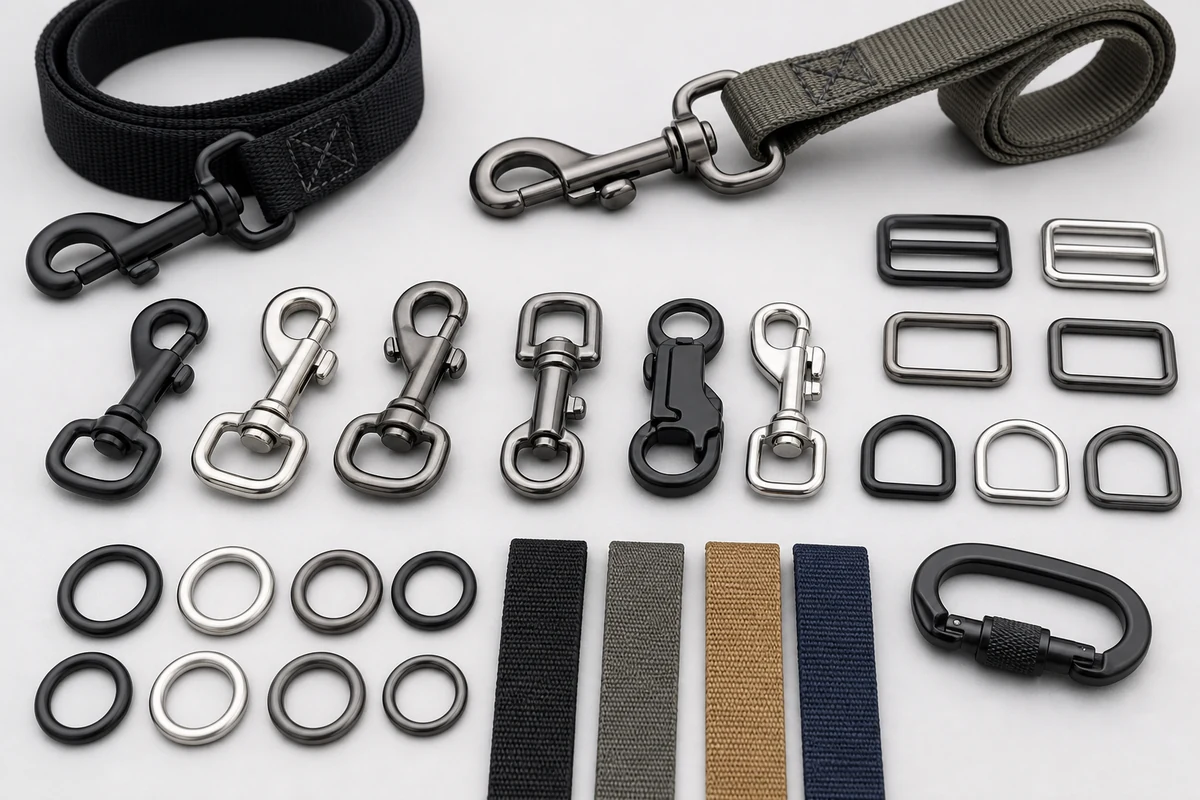
Metal hardware can create a durable, premium impression and may support a longer product life. Plastic hardware can reduce weight and may be appropriate for smaller sizes or cost-sensitive ranges. The best choice depends on product use, dimensions, finish, repair expectations, and target price.
Antique brass, matte black, brushed silver, and gunmetal can complement natural fibers, while colored hardware can make the collection feel more modern. Approve all components next to the final fabric because plated tones may shift visually against warm beige, gray, olive, or dyed hemp.
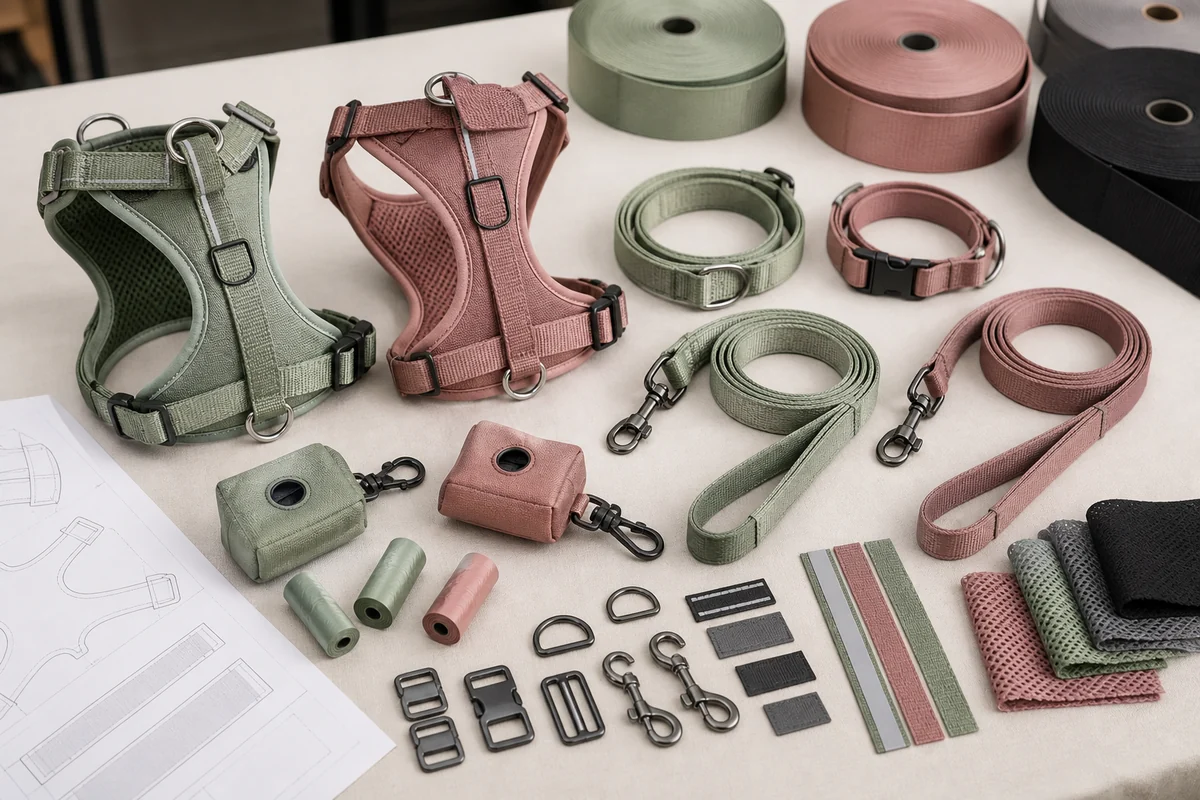
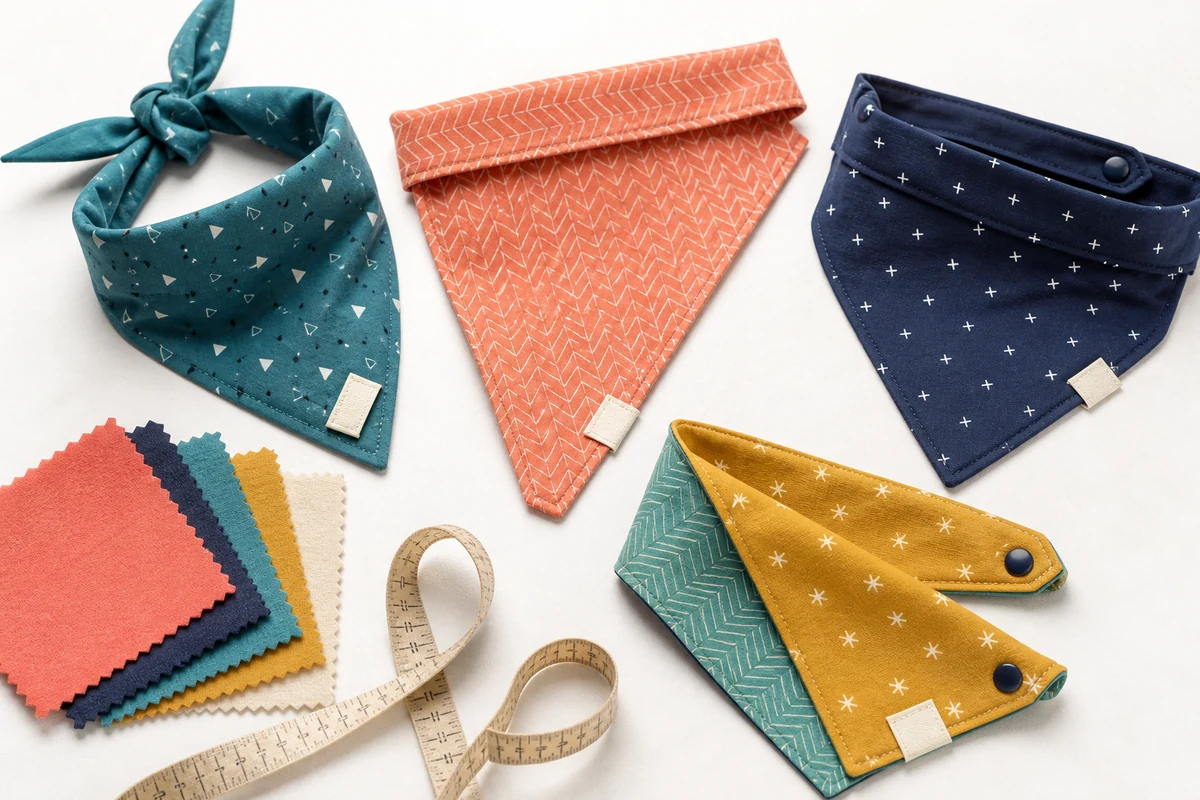
A strong launch can extend beyond one collar. Consider a leash, harness, poop bag holder, bandana, or gift set that shares the same tape, label, hardware finish, and packaging language. Repeating core materials across several SKUs can improve merchandising and make a small collection feel intentional.
Review Fun Pet's matching walking sets for construction ideas. When building a hemp range, decide which products require the natural material on all surfaces and which can use it as an accent over a more technical base.
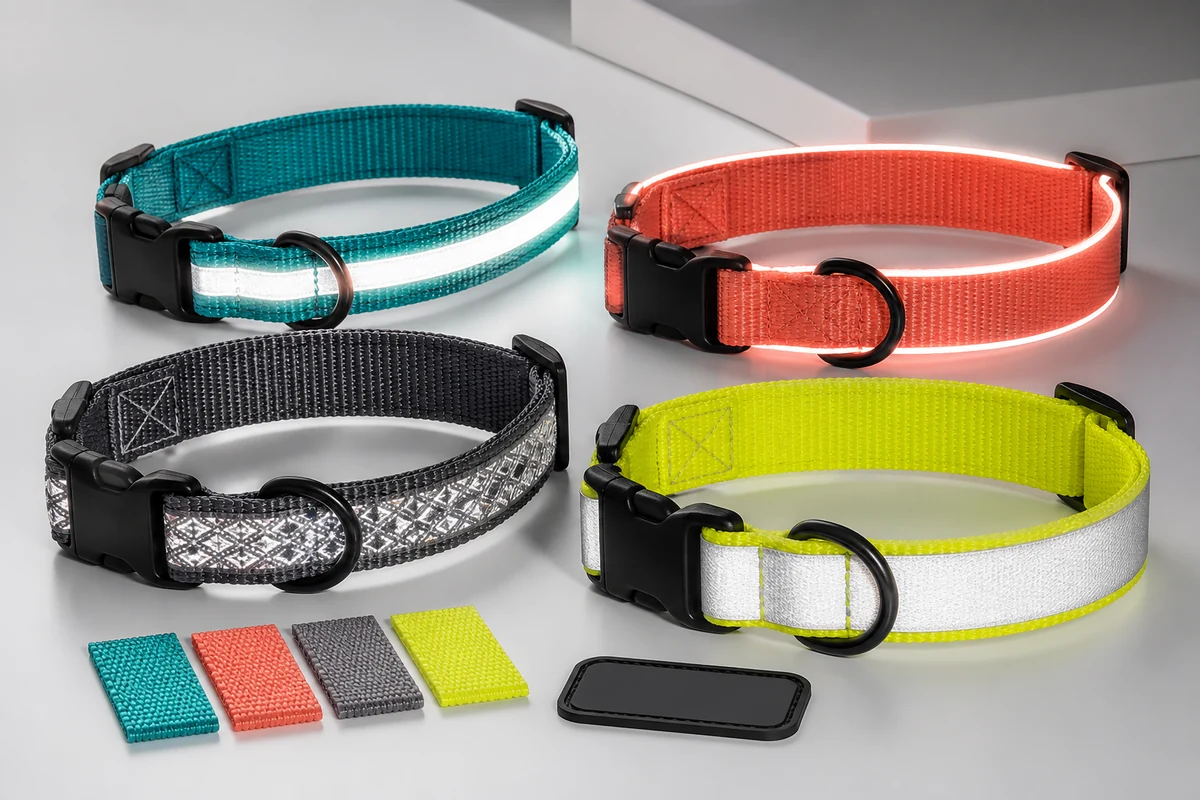
Undyed or natural shades communicate the hemp story immediately, but a broader color range can reach more customers. Natural fibers may not display color in exactly the same way as polyester. Texture, base tone, and dye lot can influence the result. Approve a physical swatch or sample and define an acceptable color range where appropriate.
Thread, edge binding, labels, and packaging should be included in the palette. A perfectly matched synthetic thread may look different in sheen from a matte natural tape, so deliberate contrast can sometimes look better than an almost-match.
| Branding method | Best use | Review point |
|---|---|---|
| Woven label | Detailed logos and consistent brand color | Fold, edge softness, placement, and label material |
| Embroidery | Premium textile appearance | Stitch density, backing, and flexibility |
| Leather or alternative patch | Natural, outdoor, or heritage positioning | Claim accuracy, thickness, and attachment |
| Metal plate | Durable premium branding | Weight, edge finish, plating, and fastening |
| Graphic collections and repeated patterns | Adhesion, contrast, and effect on fabric hand |
Reduced packaging can support the product story and lower shipping volume. Options may include recycled-paper hang tags, compact belly bands, paper-based inserts, and right-sized cartons. Packaging still needs to protect the item, carry required information, support barcodes, and remain practical for retail display or fulfillment.
Use precise language. State the verified material or packaging choice rather than relying on an unsupported general claim. Care instructions can also support product life by helping customers clean, dry, and store the item correctly.
The final sample should use the approved fiber composition, thickness, color, backing, thread, hardware, logo, labels, and packaging. Compare dimensions and adjustment ranges against the size chart. Review the smallest and largest sizes when hardware scale or strap width changes across the range.
Keep one approved reference sample and a written specification. If the bulk order requires a material or hardware substitution, the change should be reviewed before production continues.
Fun Pet can help develop private label hemp collars, leashes, and matching accessories around a documented specification. Start an OEM quote with your target materials, quantities, sizes, logo files, and packaging goals to discuss a sample plan.